Aglaonema commutatum (Chinese Evergreen) Plant Features and Care Guide
Aglaonema commutatum, commonly known as the Chinese Evergreen, is a remarkably adaptable and visually striking houseplant cherished by both beginners and seasoned indoor gardeners. With its stunning variegated foliage and tolerance for low light, it is the perfect companion for brightening up dim corners and office desks.
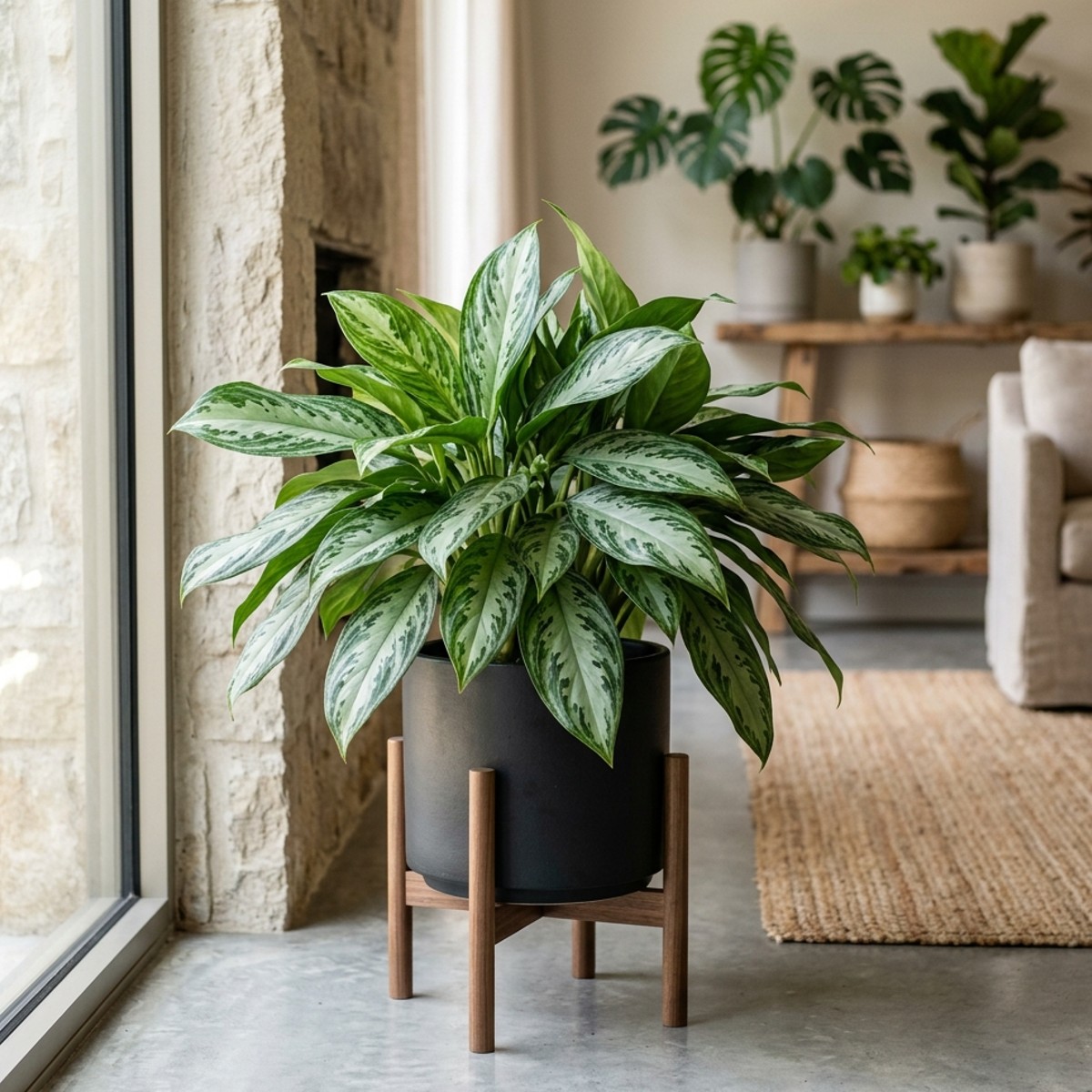
Aglaonema Commutatum Overview
The Chinese Evergreen is an herbaceous perennial celebrated for its ornamental foliage rather than its blooms. It features large, lance-shaped leaves that grow from short, central stems, creating a dense, bushy appearance. The leaves are a canvas of striking patterns, typically displaying a rich, deep green base adorned with splotches, stripes, or speckles of silver, grey, or pale green.
As the plant matures, the sturdy stems can sometimes resemble slender canes. While it can produce small, calla lily-like spathes and berries under optimal conditions, its primary draw remains the robust, vibrant leaves that stay vibrant year-round.
Key Features of Aglaonema commutatum
| Feature | Details |
|---|---|
| Botanical Name | Aglaonema commutatum |
| Common Name | Chinese Evergreen |
| Plant Type | Evergreen Perennial |
| Mature Size | 1 to 3 feet tall and wide (indoors) |
| Growth Habit | Upright, bushy |
| Growth Rate | Slow to Moderate |
| Leaf Appearance | Lance-shaped, dark green with silver/white/gray variegation and other colours |
| Toxicity | Toxic to humans, dogs, and cats |
Care Guide
Aglaonema commutatum is famously forgiving, making it a staple recommendation for those looking for a low-maintenance indoor plant. While it can survive neglect, providing it with the right balance of light, water, and nutrients will encourage lush growth and keep its variegation bright. Below is everything you need to know to keep your Chinese Evergreen thriving.

Light Requirement & Placement
This plant is incredibly versatile when it comes to lighting. While it thrives best in bright, indirect light, it is well-known for its ability to tolerate low-light conditions, such as north-facing windows or rooms with fluorescent office lighting. However, the rule of thumb is that varieties with lighter, more silvery variegation require slightly more light to maintain their colors, whereas darker green varieties can handle deeper shade. Avoid placing it in direct, harsh sunlight, as this will quickly scorch its tender leaves.

Water & Humidity
The Chinese Evergreen prefers its soil to be kept lightly moist, but never waterlogged. Water thoroughly when the top two inches of the soil feel dry to the touch. During the winter months, when the plant’s growth naturally slows down, reduce watering frequency and allow the soil to dry out a bit more between drinks to prevent root rot. As a tropical plant, it appreciates moderate to high humidity. If your home has dry air, consider grouping it with other plants, or placing the pot on a pebble tray filled with water.

Temperature
To keep your Aglaonema happy, maintain indoor temperatures between 65°F and 80°F (18°C – 27°C). It is sensitive to cold drafts and sudden temperature fluctuations. Ensure it is kept away from air conditioning vents in the summer and uninsulated drafty windows in the winter.

Soil & Nutrition
Plant your Chinese Evergreen in a loose potting mix that drains well. A standard high-quality indoor plant soil mixed with a handful of perlite or orchid bark works well to ensure the roots receive adequate oxygen.
Styling With Aglaonema Commutatum
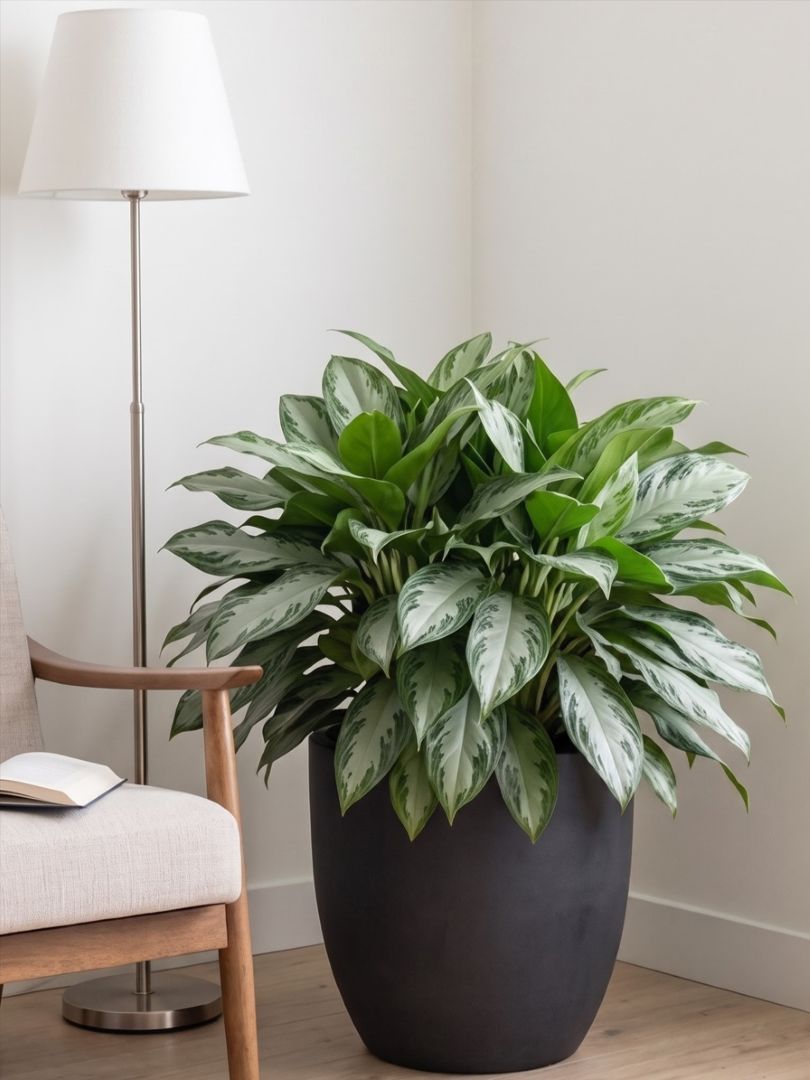
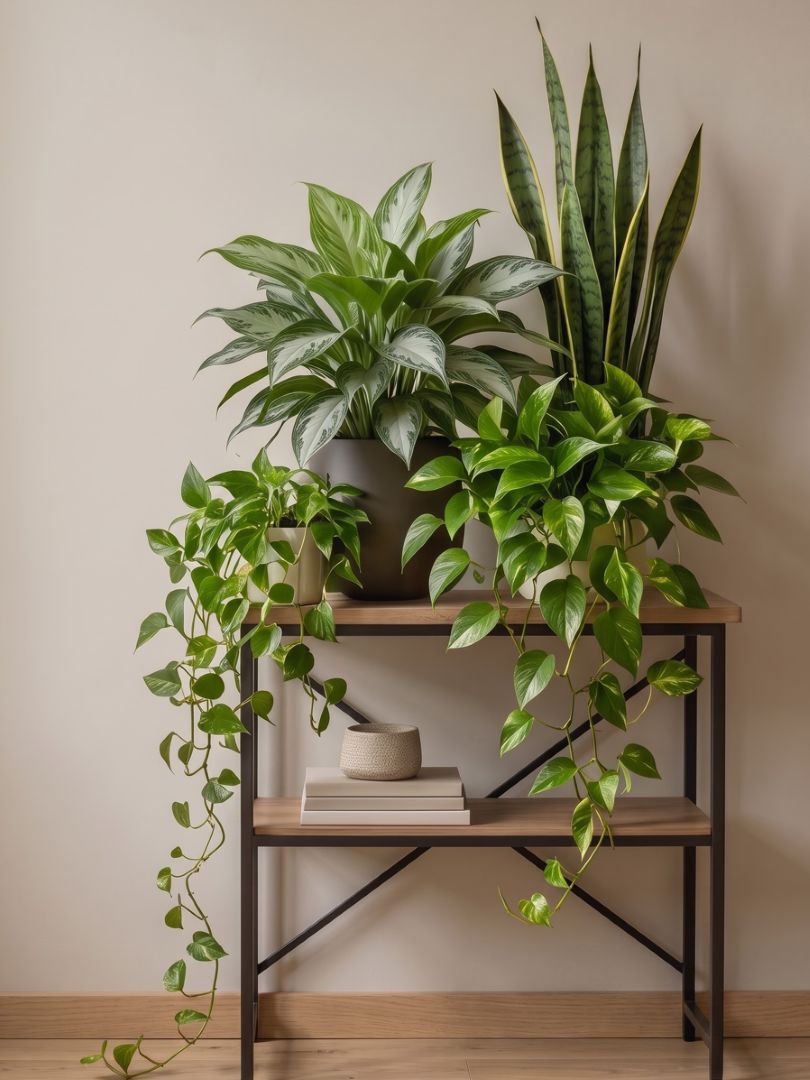
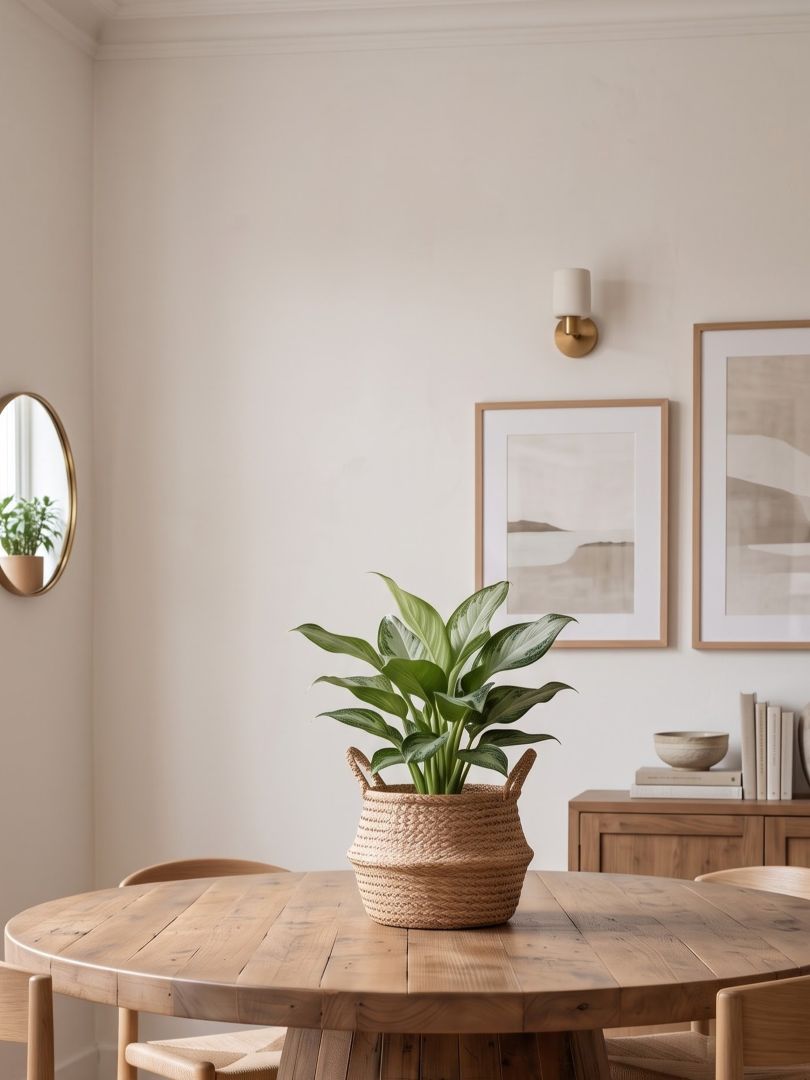
Troubleshooting Common Issues with Your Chinese Evergreen
Even the easiest plants can occasionally run into trouble. Here is how to fix common issues with your Chinese Evergreen:
Yellowing Leaves: This is most commonly a sign of overwatering. Ensure the pot has drainage holes and allow the top few inches of soil to dry out before watering again. If only the oldest, bottommost leaves are yellowing and falling off, this is a normal part of the plant’s aging process.
Brown, Crispy Leaf Tips: This usually indicates a lack of humidity or an accumulation of salts from tap water or fertilizer. Try switching to filtered water and increasing the ambient humidity around the plant.
Drooping Stems: If the soil is completely dry, the plant is simply thirsty and needs a good soak. If the soil is wet, drooping is a severe sign of root rot, and you may need to repot the plant in fresh, dry soil and trim away mushy roots.
Loss of Leaf Variegation: If your stunning silver leaves are turning completely solid green, the plant is not getting enough light. Move it to a brighter location with indirect sunlight to encourage the return of its distinct patterns.