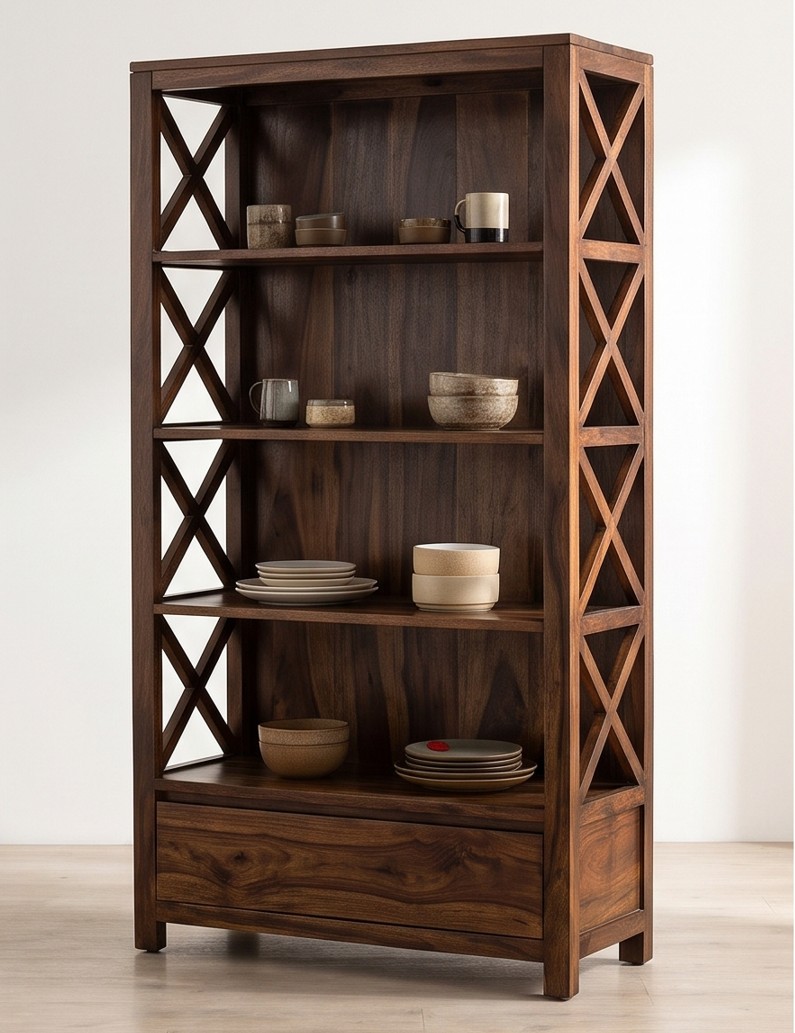
Pepperfry Home Furniture Mohali offers an extensive selection of furniture, décor, and lighting spanning a variety of aesthetics, including contemporary, industrial, mid-century modern, traditional Indian, and Scandinavian.
Shoppers will find complete room collections for the living, dining, and bedroom, anchored by foundational pieces like sectional sofas and dining tables.
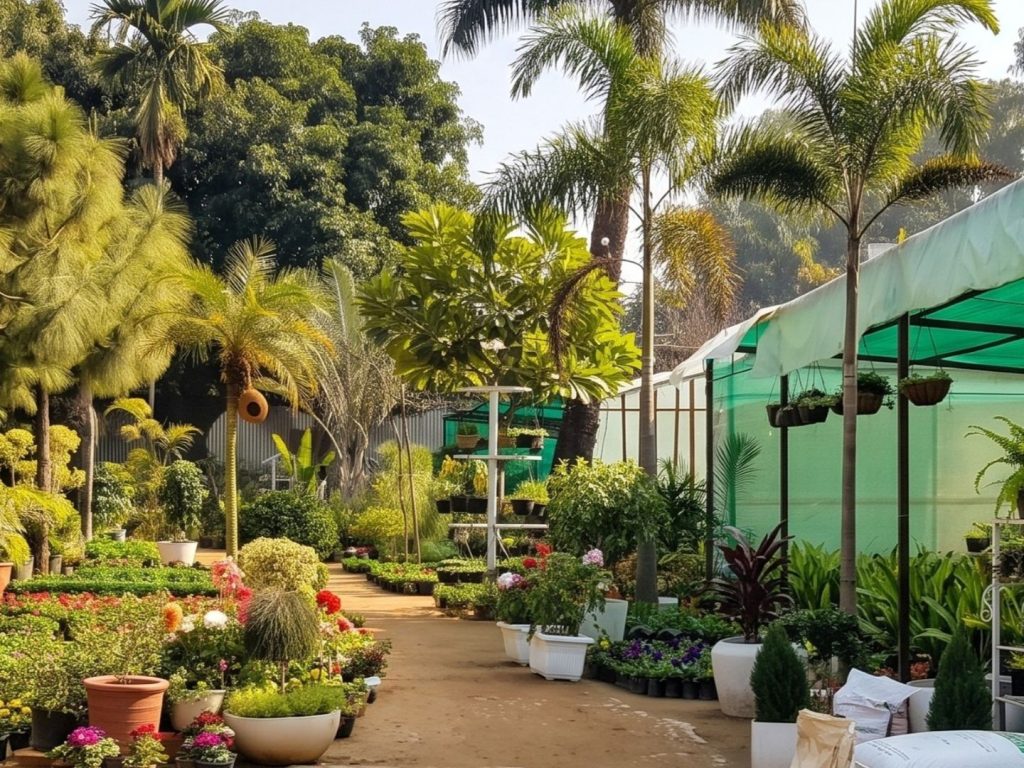
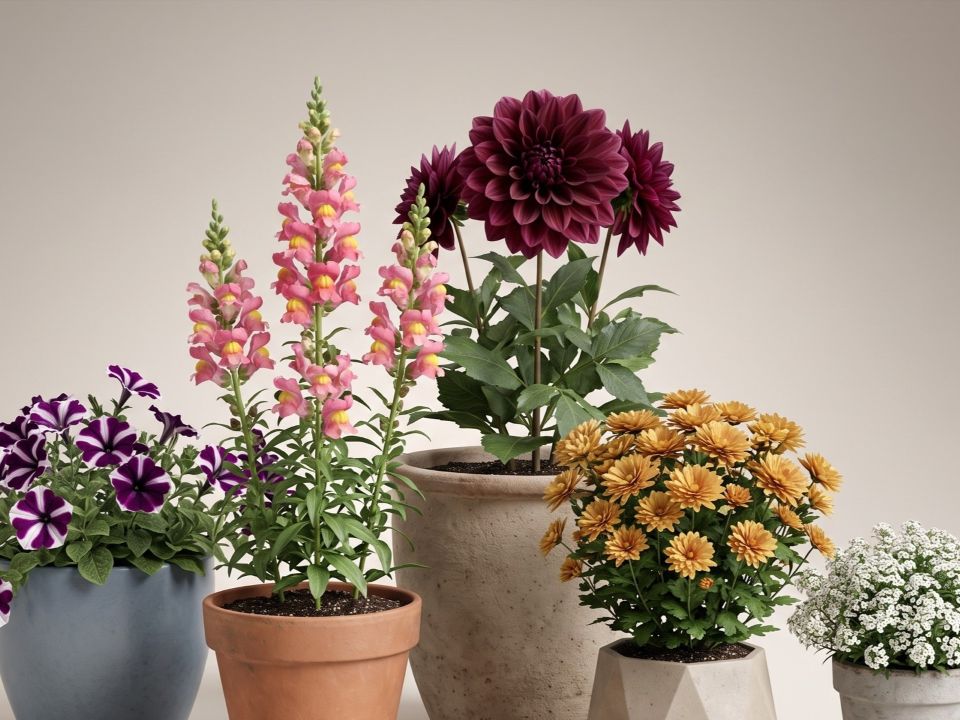
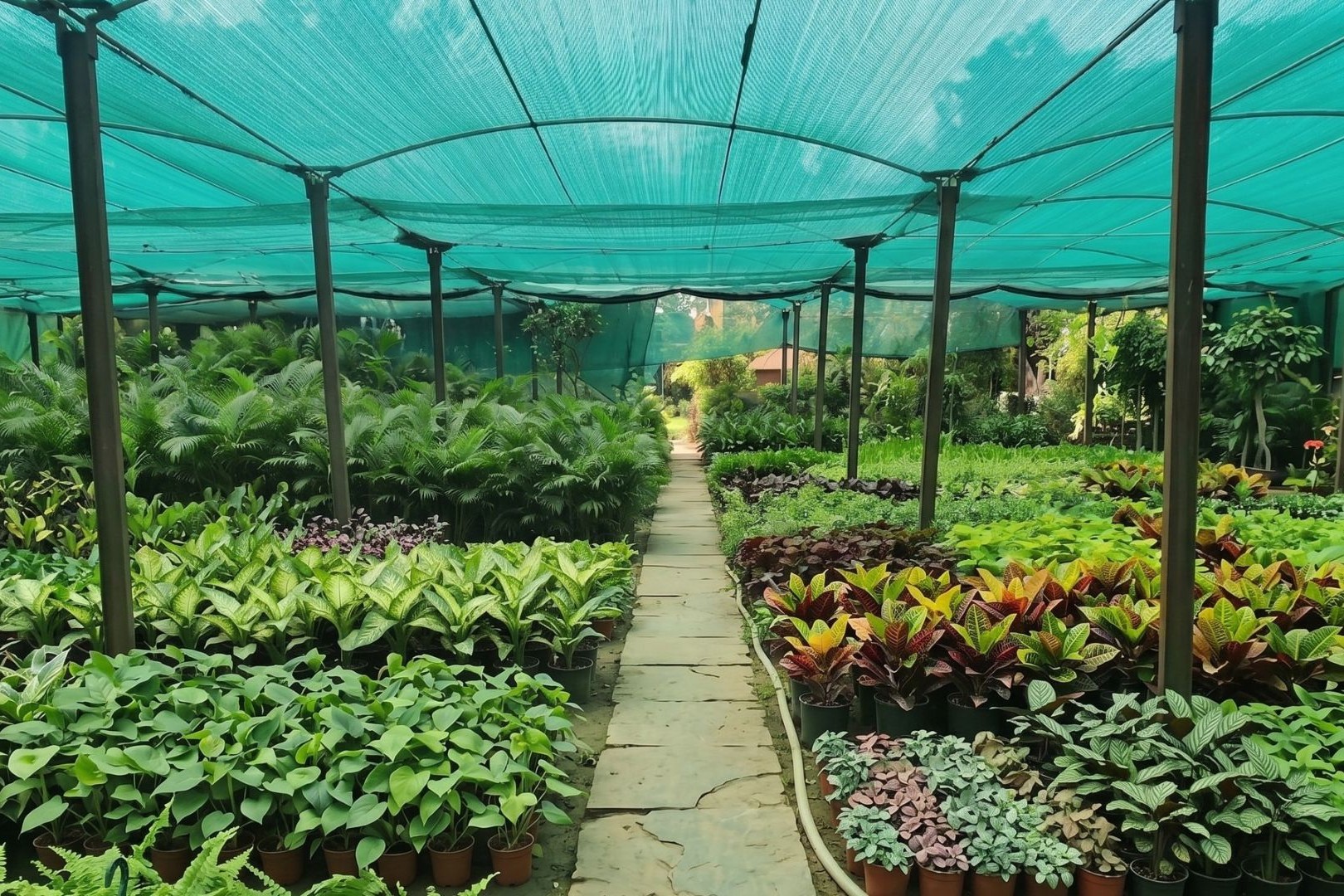
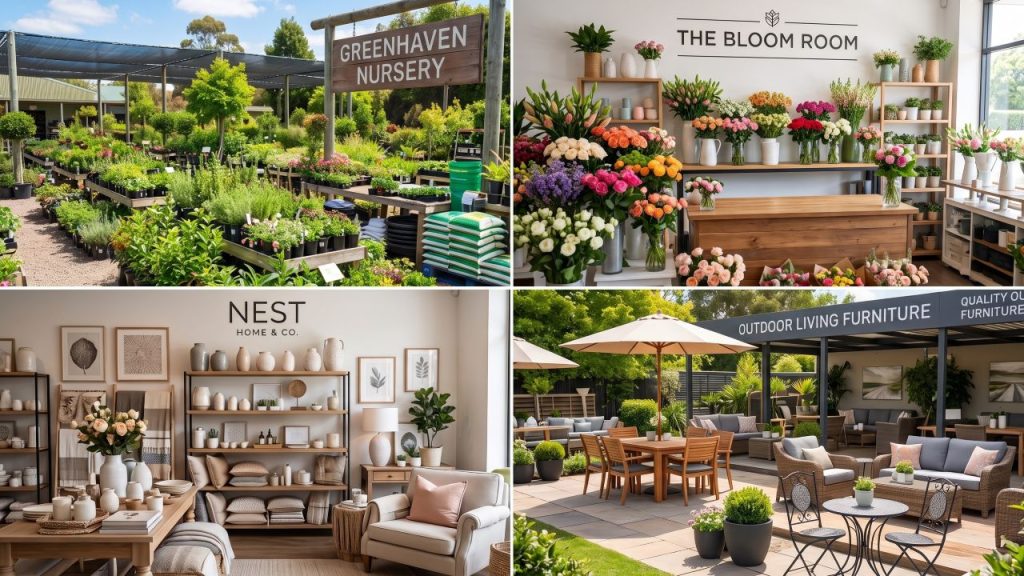
Garden Centre Nursery offers a diverse selection of healthy, high-quality plants alongside an extensive range of pots. Visitors can also receive expert plant care advice. The nursery spans a spacious, aesthetically designed area with well-organized plant displays.
Location & Contact
Address
Dhillon Farm, IT Park Road, Sector 13, Chandigarh, 160101
Phone
09653000555
Top reasons to visit include its diverse selection of
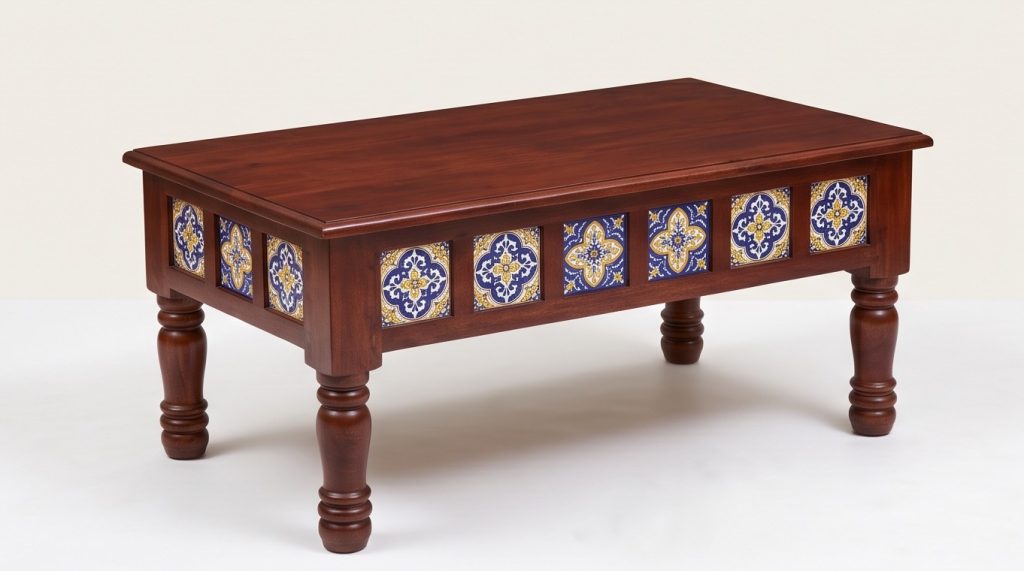
They offer versatile furniture that creates an eclectic, coordinated aesthetic. The wide range of solid wood pieces includes everything from accent chairs to center tables.
Location & Contact
Address
SCO No. 4-5, Sector 17A, Chandigarh, 160017
Phone
09314444747
Their furniture selection includes:
Sofas & Sectionals
Armchairs & Accent Chairs
Dining Tables
Coffee Tables & Nesting Tables
Display Cabinets & Sideboards
Ottomans & Poufs
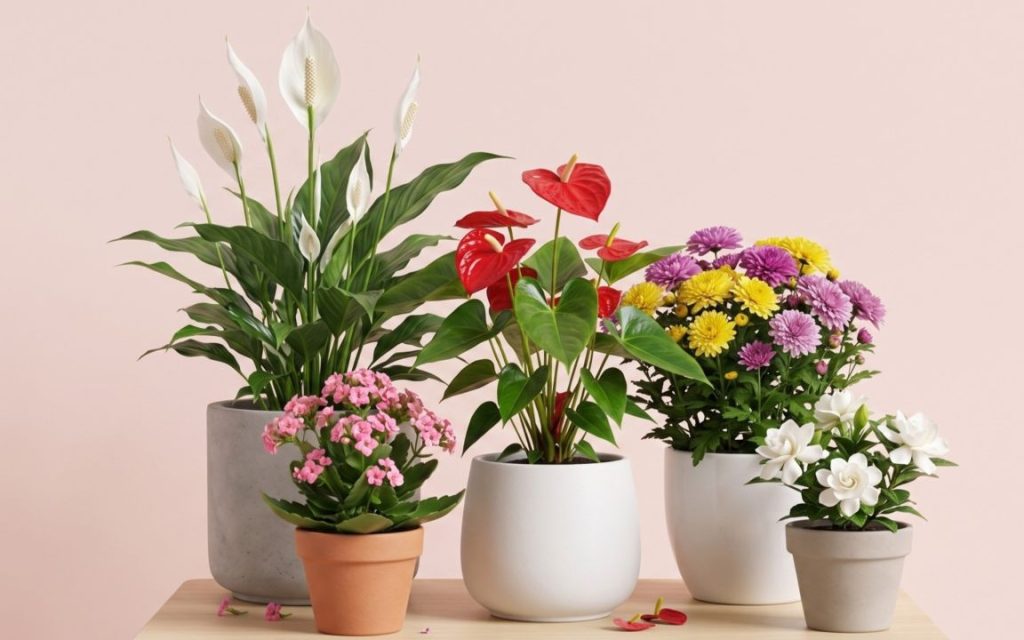
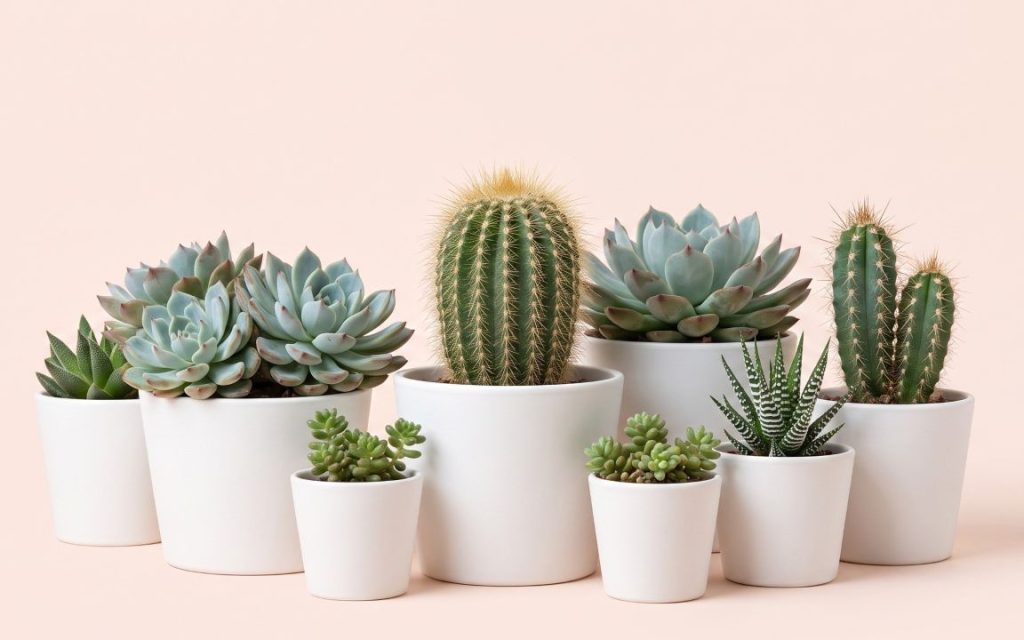
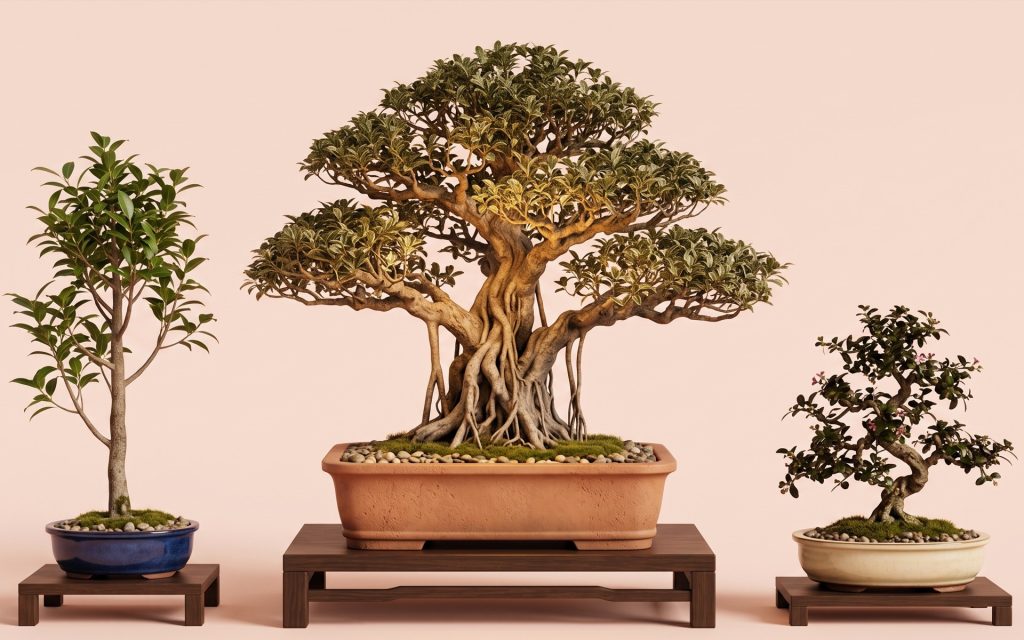
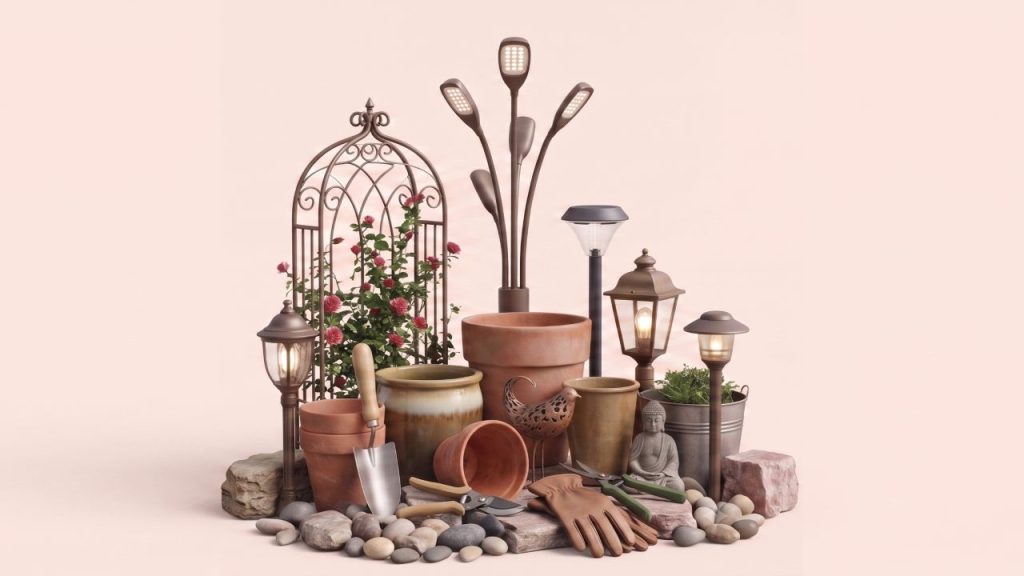
Disclaimer: The images shown are for illustrative purposes only and may not represent the actual location or products.
Durga Nursery in Sector 13 is quite large, offering a wide selection of plants, including fruit trees, flowers, and bonsai. It is a long-established and popular plant nursery in Chandigarh.
Location & Contact
Address
IT Park Rd, Sector 13, Chandigarh, 160101
Phone
09316215454
Top reasons to visit include its extensive selection of
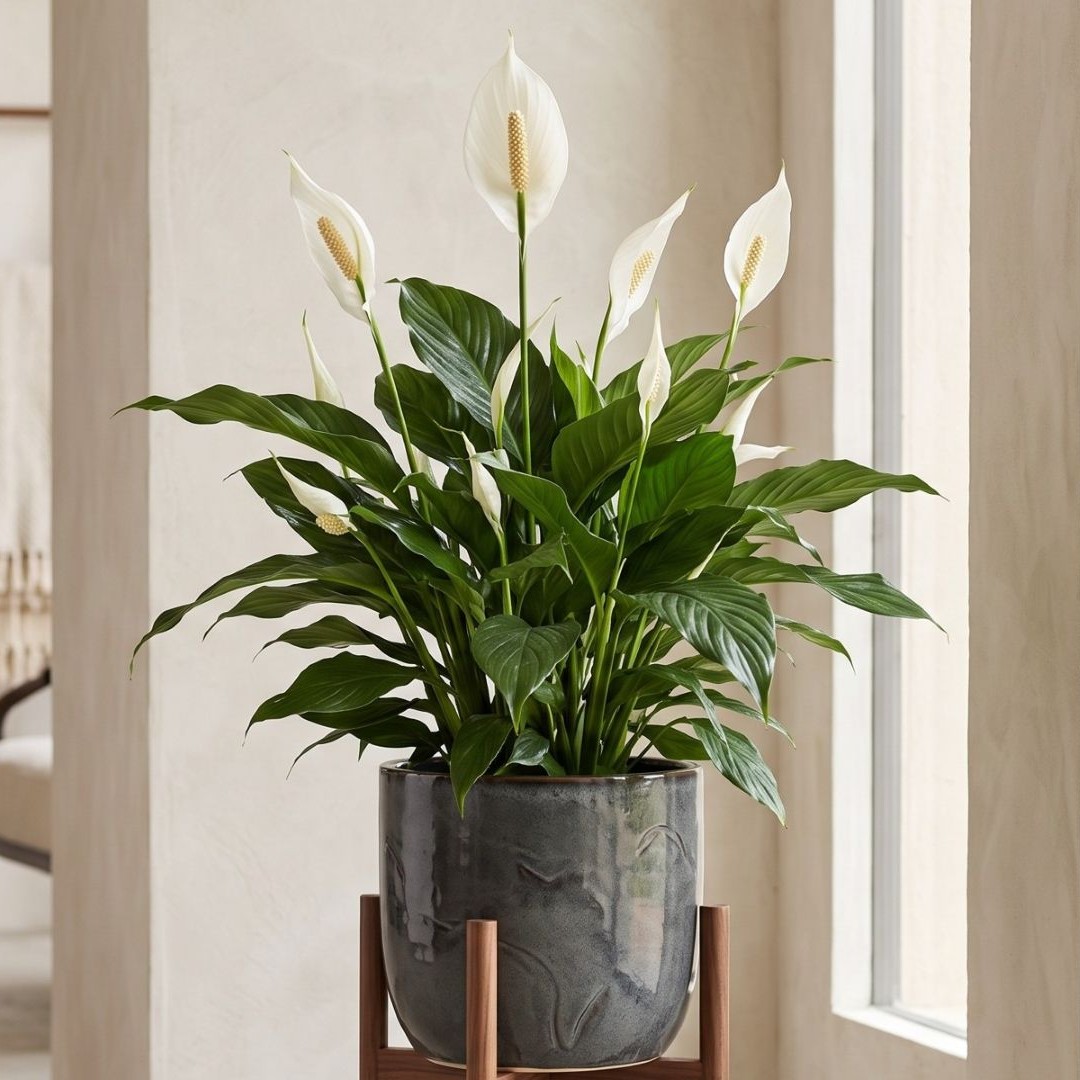
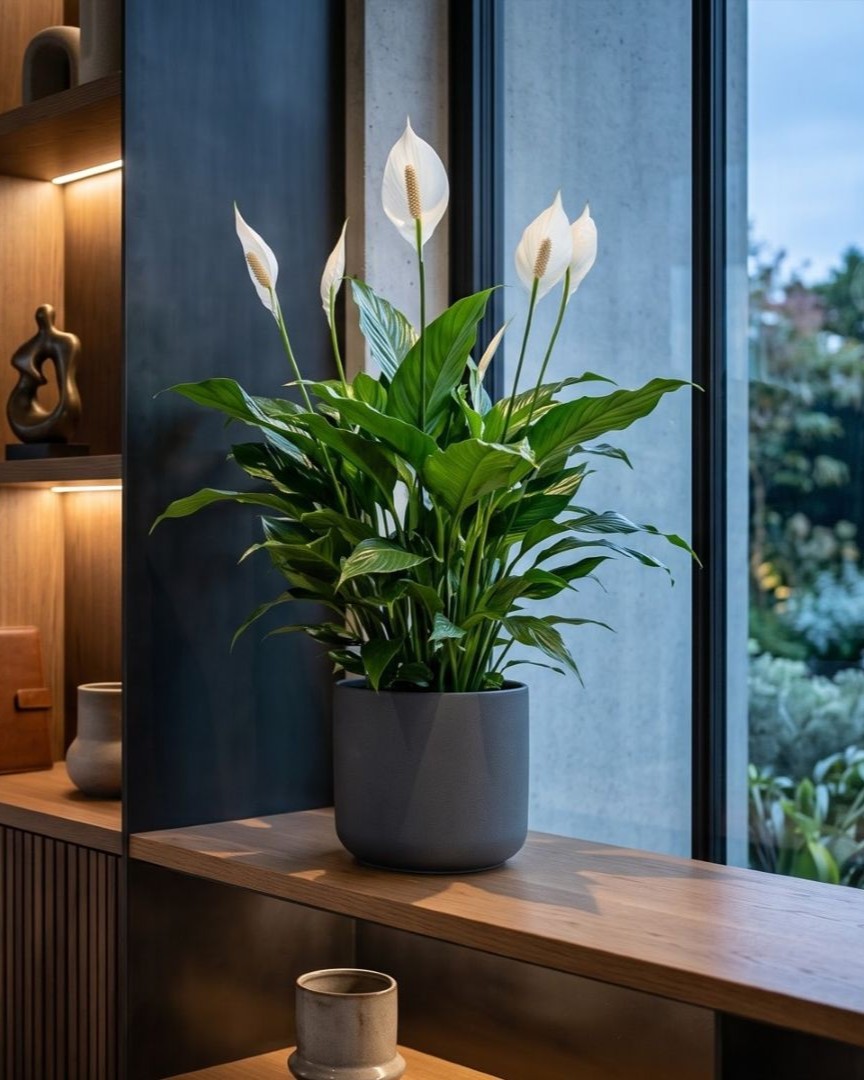
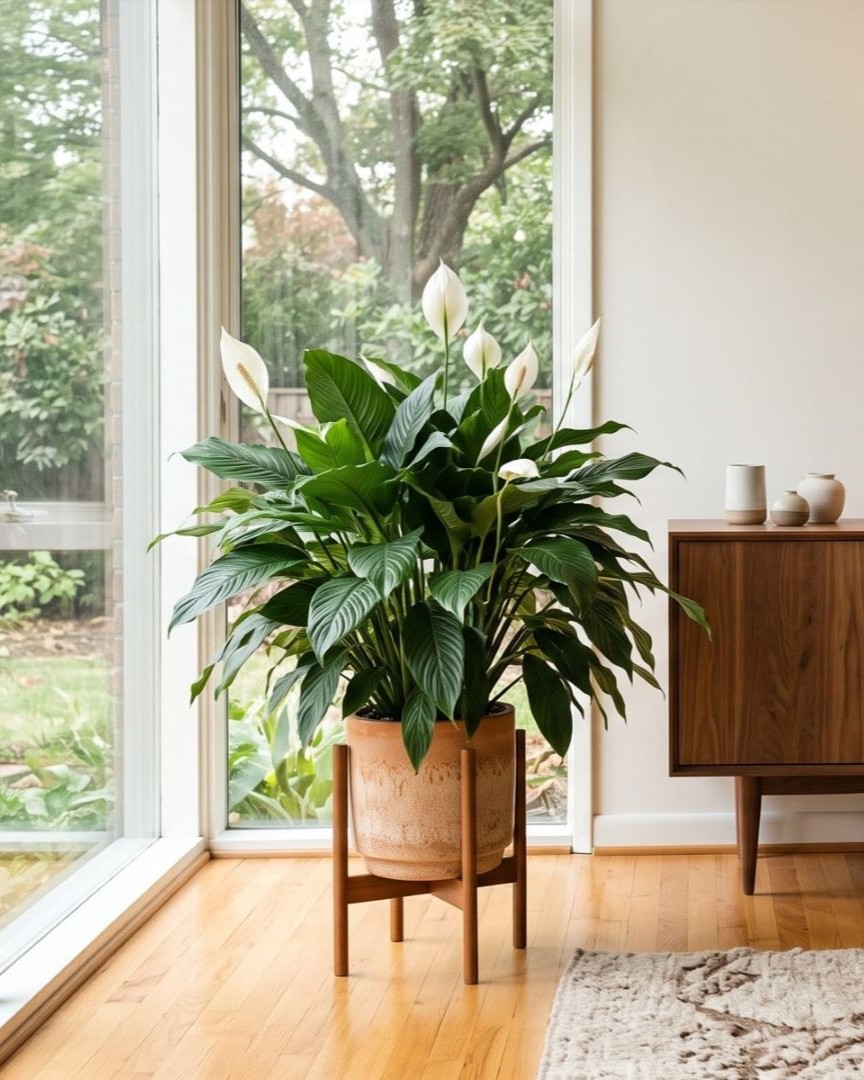
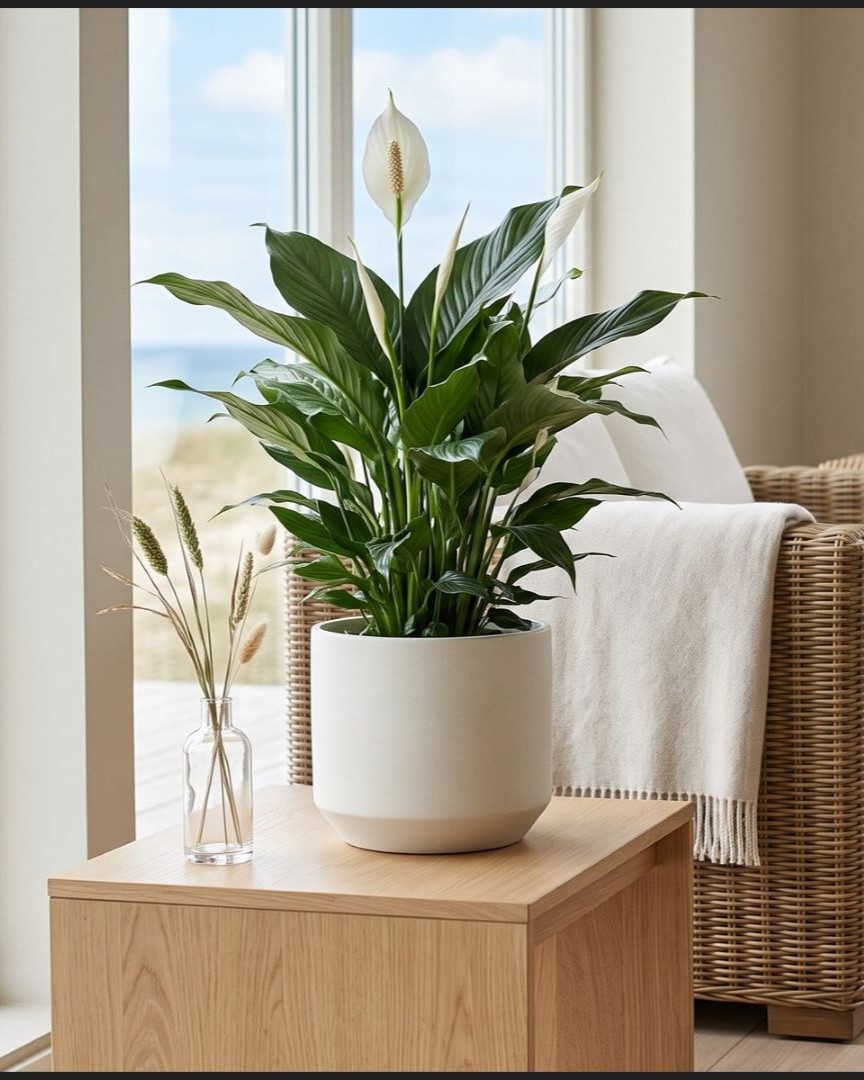
The Peace Lily (Spathiphyllum wallisii) is loved for its elegant white spathes and lush, dark green foliage. Native to the tropical rainforests of Central America, it is highly adaptable to normal home environments and looks really good with modern interior design.
Peace Lily Overview
The Peace Lily has shiny, pointed leaves, which bend outward from the center, creating a dense, bright green top. What appears to be a striking white flower is actually a specialized leaf bract, known as a spathe, which forms a hood over the central, spike-like spadix. These spathes typically emerge in the spring and can last for several weeks, gradually turning green as they age.
Its clumping growth habit ensures the plant remains bushy and full, making it a substantial floor or tabletop specimen.
Key Features of Spathiphyllum wallisii
Feature
Details
Botanical Name
Spathiphyllum wallisii
Common Name
Peace Lily, White Sails, Spathe Flower
Plant Type
Tropical evergreen perennial (aroid)
Mature Size
1 to 3 feet tall and wide (indoors)
Growth Habit
Clumping, upright to arching
Growth Rate
Moderate
Leaf Appearance
Dark green, glossy, deeply veined, lanceolate
Toxicity
Toxic to humans and pets if ingested
CARE GUIDE
Peace lilies tell you what they need. Their leaves drop down when they need water. This makes it easy for you to know when to water them. They are strong plants. However, they grow best when you copy their natural tropical conditions.
Light Requirement & Placement
They grow best in bright, indirect light. While they can tolerate lower light conditions, they are unlikely to produce their signature white spathes without adequate brightness. Keep them out of direct sunlight, which will quickly scorch and bleach the leaves.
Water & Humidity
Keep the soil consistently moist but never soggy. Water thoroughly when the top inch of soil feels dry. Because they originate in rainforests, they appreciate high humidity; placing them on a pebble tray or in a naturally humid room like a bathroom can prevent brown, crispy leaf tips.
Temperature
Maintain indoor temperatures between 65°F and 85°F (18°C – 29°C). They are sensitive to cold drafts and should be kept away from AC vents and uninsulated winter windows.
Soil & Nutrition
Use a well-draining, potting mix rich in organic matter.
Styling With Spathiphyllum wallisii
Troubleshooting Common Issues
No Flowers: The plant is likely not receiving enough light. Move it to a brighter spot with indirect sunlight
Brown, Crispy Leaf Tips: Usually caused by a lack of humidity, inconsistent watering, or a sensitivity to the fluoride and chlorine in tap water. Try switching to filtered or distilled water.
Dramatic Drooping: The most common sign of severe underwatering. A thorough soaking will usually have the plant standing upright again within a few hours. If the soil is wet and it is drooping, it indicates root rot from overwatering.
Yellowing Leaves: If the oldest, lowest leaves are yellowing, it is natural aging. If widespread, it is often a sign of overwatering or poor soil drainage
Monstera deliciosa (Swiss Cheese Plant) Plant Features and Care Guide
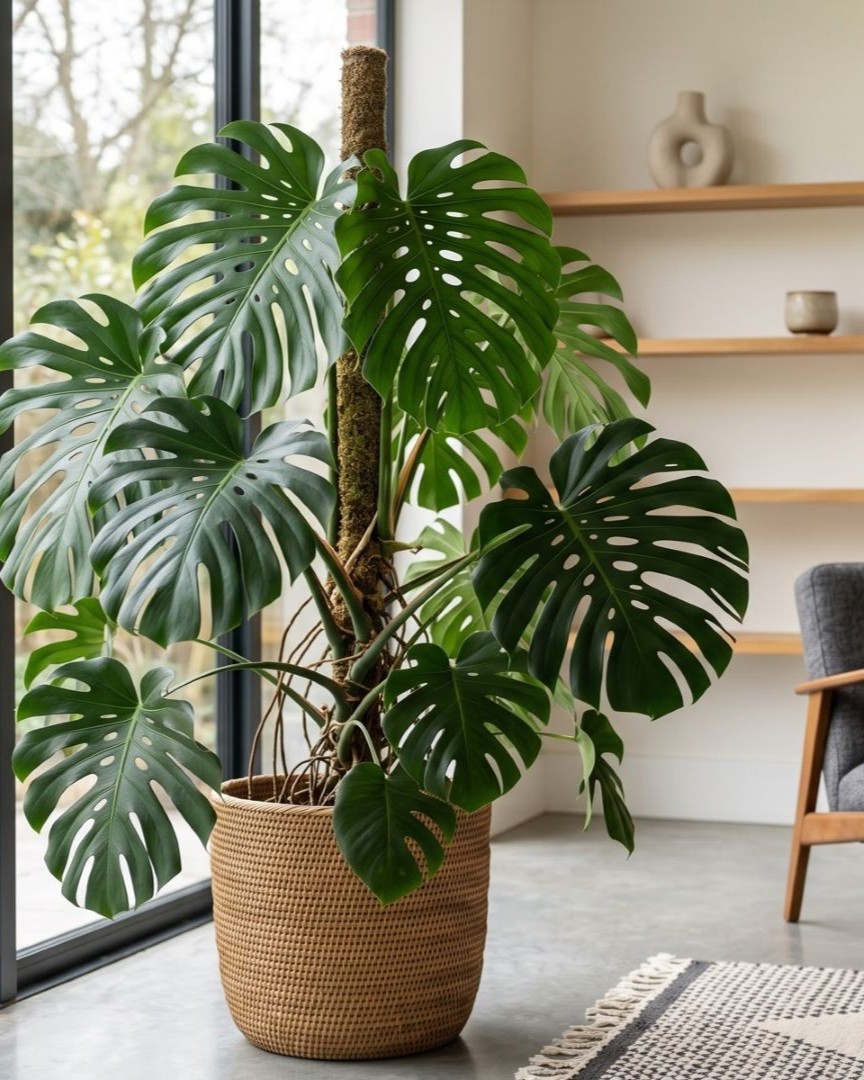
The Monstera deliciosa, also known as the “Swiss Cheese Plant,” is a very popular house plant. Despite its dramatic and exotic appearance, it is very easy to grow.
Monstera deliciosa Overview
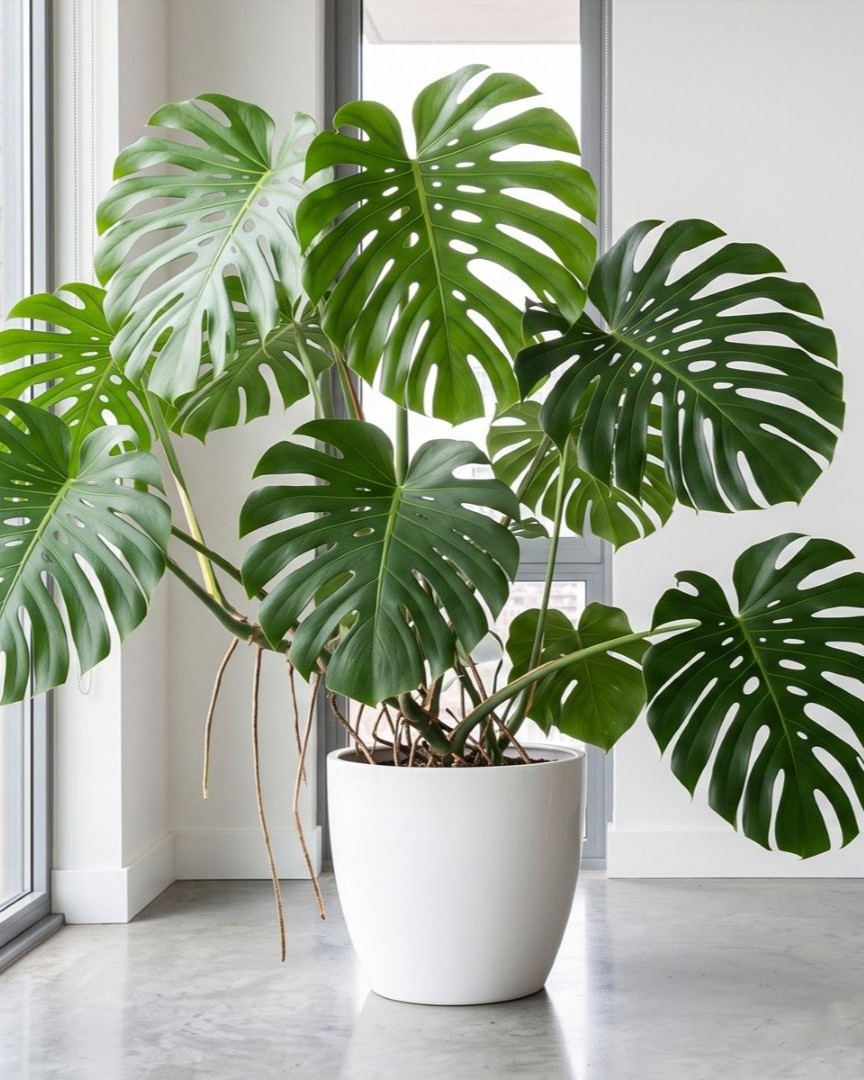
Native to the lush, tropical rainforests of southern Mexico and Central America, this plant is a vining epiphyte. In the wild, it uses robust aerial roots to grab onto the trunks of larger trees, climbing upward toward the forest canopy to catch the sunlight.
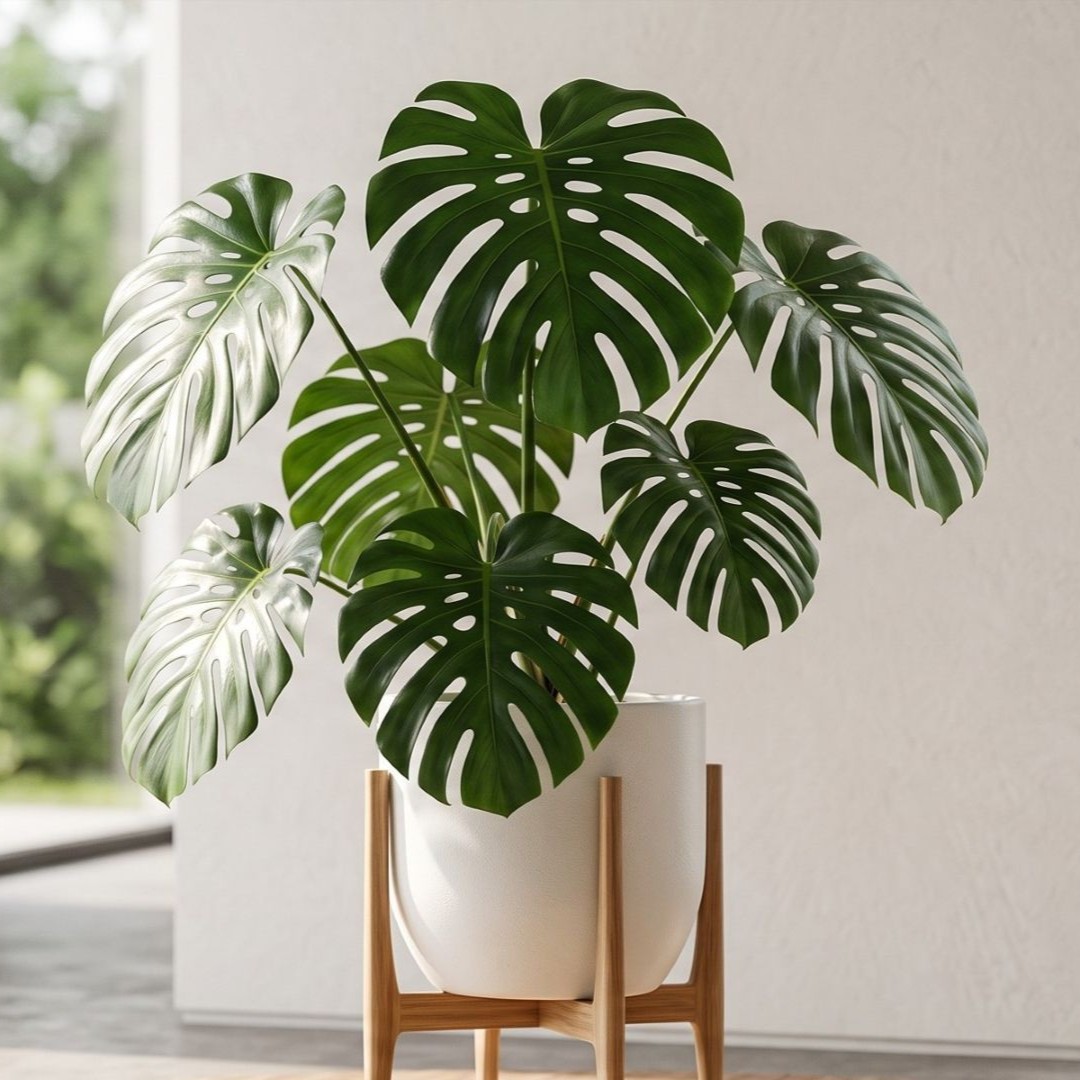
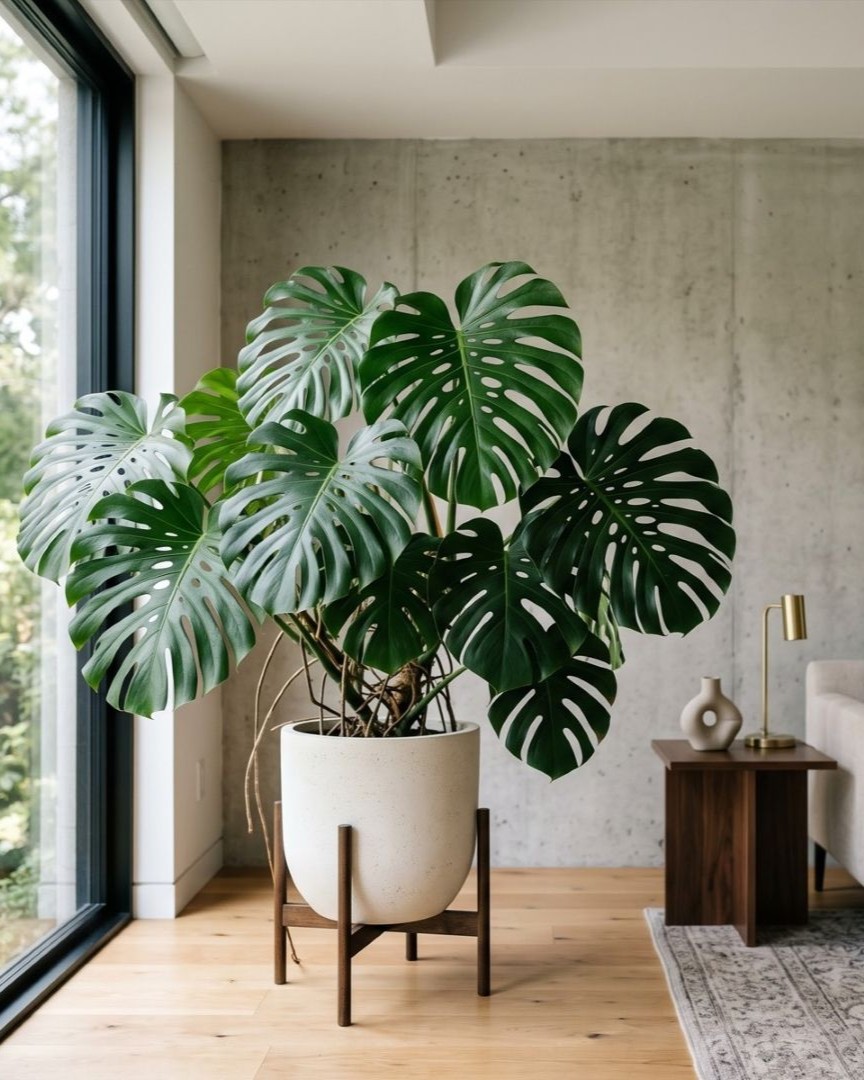
Indoors, its defining feature is its large, glossy, deep-green leaves that develop deep splits and holes—known as fenestrations—as the plant matures. With good care, it grows into a huge, beautiful indoor plant.
Key Features of Monstera deliciosa
Feature
Details
Botanical Name
Monstera deliciosa
Common Name
Swiss Cheese Plant, Split-Leaf Philodendron, Fruit Salad Plant, Mexican Breadfruit
Plant Type
Tropical evergreen epiphyte / vine
Mature Size
10 to 15 feet tall indoors (can reach up to 60 feet in the wild)
Growth Habit
Climbing, vining, and spreading
Growth Rate
Fast (when provided with optimal warmth and light)
Leaf Appearance
Large, glossy, heart-shaped dark green leaves with deep cuts and perforations (fenestrations)
Toxicity
Toxic to humans, dogs, and cats
CARE GUIDE
The Monstera is an easy plant for beginners. However, it grows best when you copy its natural rainforest home. Follow these steps to keep your Monstera healthy and green.
Light Requirement & Placement
A Monstera needs bright, indirect sunlight to grow its famous split leaves. While it can survive in lower light conditions, a lack of light will result in leggy growth, smaller leaves, and a lack of signature fenestrations. Avoid harsh, direct afternoon sun, which can scorch the foliage.
Water & Humidity
Water your Monstera thoroughly when the top 2 to 3 inches of the soil feel completely dry to the touch. It is generally better to underwater a Monstera than to overwater it, as it is highly susceptible to root rot. As a tropical native, this plant loves humidity. While standard household humidity (around 40%) is tolerable, boosting it to 60% or higher using a humidifier, pebble tray, or regular misting will encourage larger leaves and a faster growth rate.
Temperature
Keep your plant in a warm environment, ideally between 65°F and 85°F (18°C – 29°C). Monsteras are highly sensitive to the cold; they will stop growing if temperatures drop below 60°F (15°C) and can suffer permanent cellular damage if exposed to frost or freezing drafts. Keep them away from AC vents in the summer and drafty windows in the winter.
Soil & Nutrition
Plant your Monstera in a chunky, well-aerated, and fast-draining potting mix.
Styling With Monstera deliciosa
Troubleshooting Common Issues
Yellowing Leaves: If multiple leaves (especially the lower/older ones) are turning yellow and the soil is soggy, you are likely overwatering. Allow the soil to dry out completely before watering again, and check the roots for rot.
Crispy, Brown Leaf Edges: This usually points to a lack of humidity or severe underwatering. It can also be a sign of fertilizer burn if you have recently fed the plant a strong dose.
No Splits/Fenestrations: If your plant is mature but pushing out small, solid, heart-shaped leaves, it is simply not getting enough light. Move it closer to a window.
Drooping/Wilting: This can mean either extreme thirst or extreme root rot. Feel the soil—if it’s bone dry, give it a deep soak. If it’s soaking wet, the roots have suffocated, and you need to repot in fresh, dry soil immediately.
Epipremnum aureum (Golden Pothos) Plant Features and Care Guide
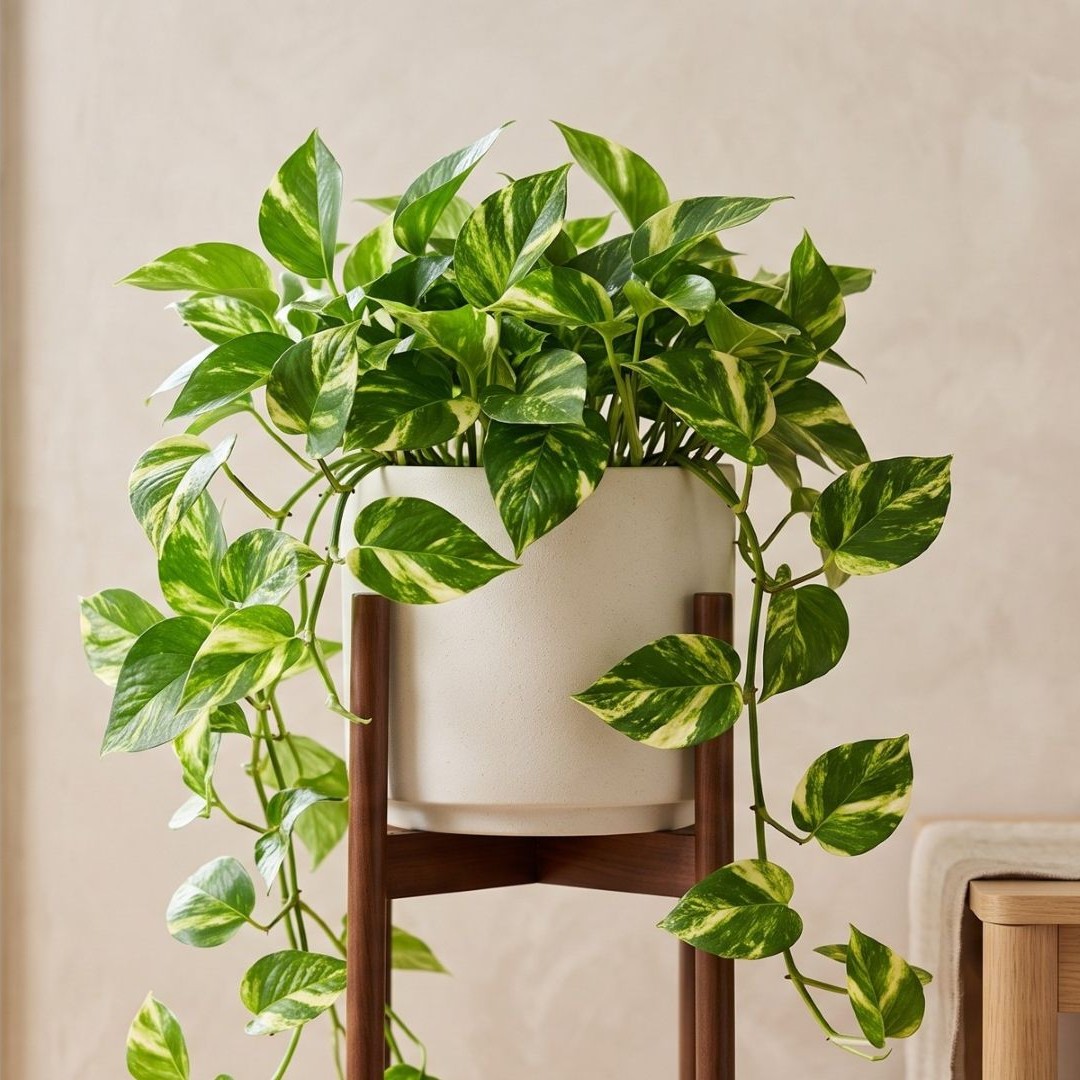
The Golden Pothos (Epipremnum aureum) is one of the most popular trailing houseplants in the world. Its cascading vines and bright, heart-shaped foliage, can bring a touch of the tropics to any indoor space. The Golden Pothos can be grown easily even by a complete beginner.
Golden Pothos Overview
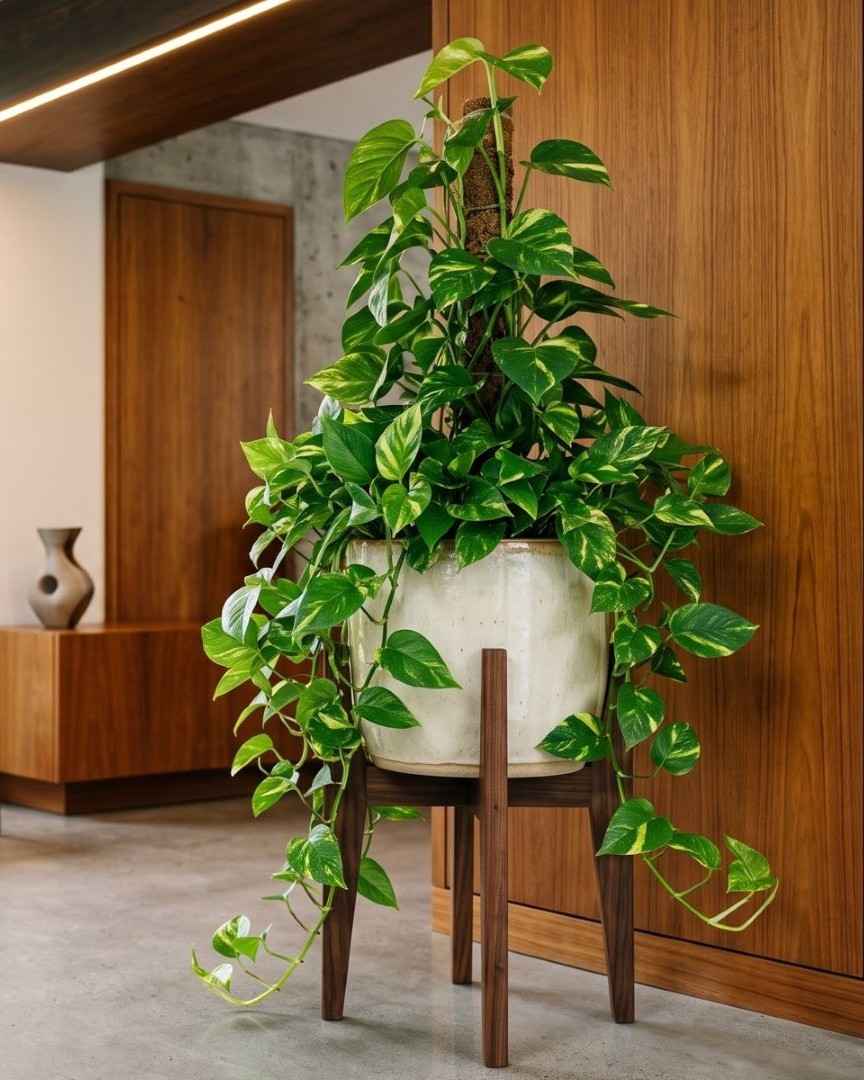
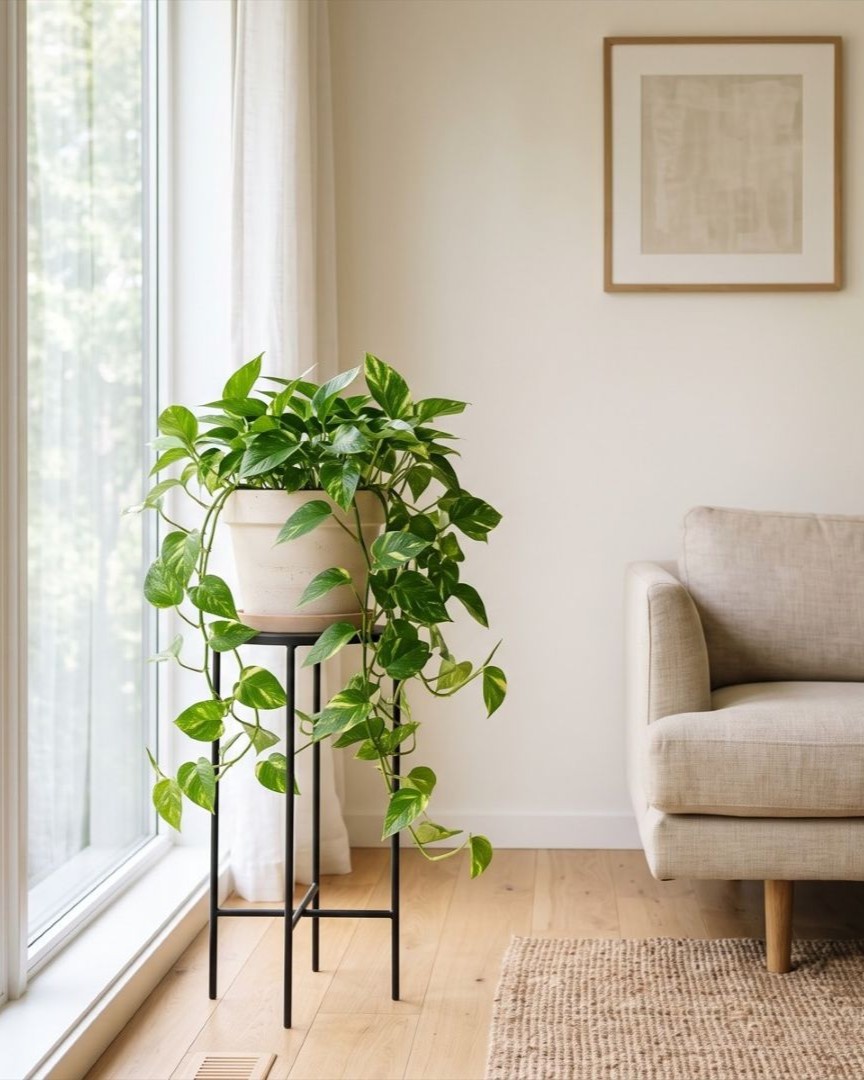
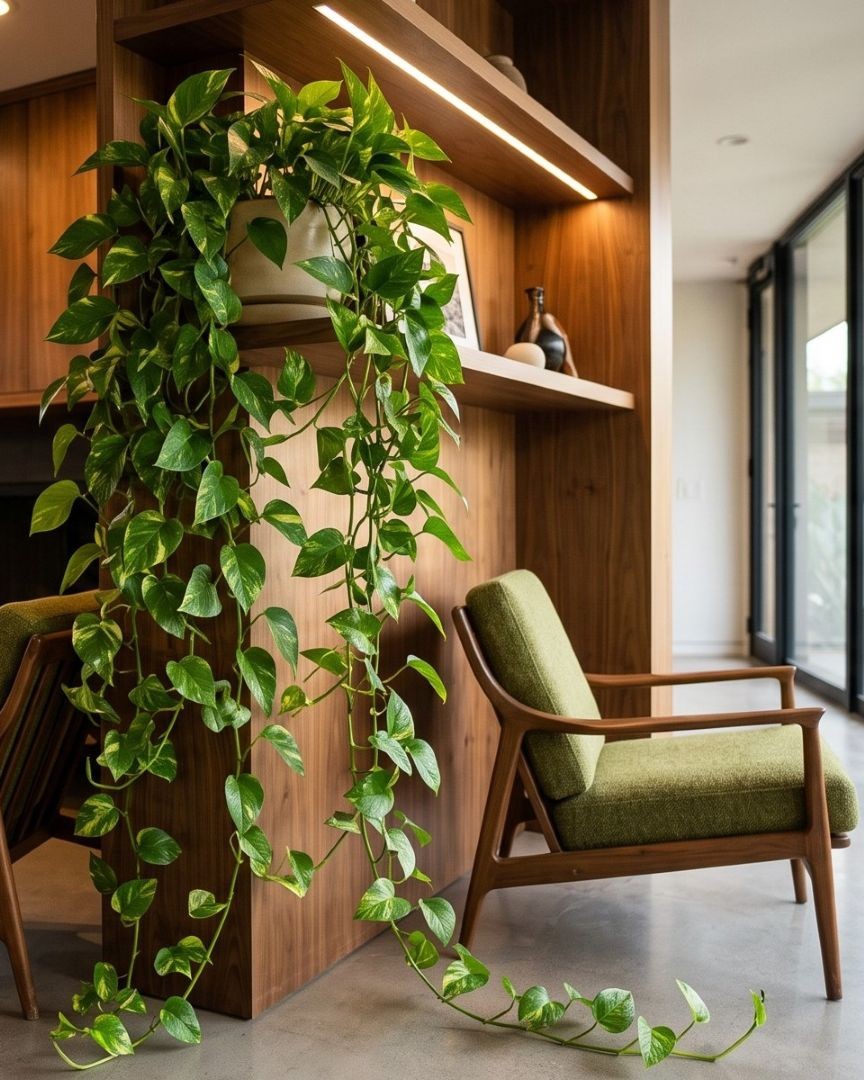
This plant comes from the Society Islands of French Polynesia but it grows very well inside homes all over the world. In its natural tropical habitat, it climbs tall trees using aerial roots and develops massive, split leaves. Indoors, it generally remains in its juvenile phase, producing beautiful, waxy, heart-shaped leaves that trail gracefully down shelves or climb up moss poles.
Its remarkable ability to survive in both low light and bright spaces has earned it the nickname “Devil’s Ivy,” as it is nearly impossible to kill and stays vibrantly green even in darker conditions.
Key Features of Epipremnum aureum
Feature
Details
Botanical Name
Epipremnum aureum
Common Name
Golden Pothos, Devil’s Ivy, Money Plant, Ceylon Creeper
Plant Type
Evergreen trailing/climbing vine
Mature Size
6 to 10+ feet indoors (can reach 40+ feet outdoors)
Growth Habit
Trailing or climbing
Growth Rate
Fast
Leaf Appearance
Waxy, heart-shaped, glossy green with yellow/gold variegation
Toxicity
Toxic to humans, dogs, and cats
CARE GUIDE
The Golden Pothos is famous for its “plant-and-forget” nature. It grows well in many different indoor spaces, making it the ultimate low-maintenance houseplant. While it can survive neglect, providing it with its preferred conditions will encourage faster growth and more striking leaf variegation.
Light Requirement & Placement
Epipremnum aureum prefers bright, indirect light, which encourages the beautiful golden marbling on its leaves to emerge fully. However, it is highly tolerant of low-light conditions (such as windowless offices with fluorescent lighting) and partial shade. The only lighting to strictly avoid is harsh, direct midday sun, which can scorch the leaves and wash out their color.
Water & Humidity
Allow the top 1 to 2 inches of soil to dry out completely between waterings. Pothos prefer to be slightly underwatered rather than overwatered; if the leaves start to dramatically droop, it is usually a sign that it’s thirsty, and it will perk right back up after a good soak. While they appreciate higher humidity (around 50-70%), they adapt perfectly well to standard household humidity levels.
Temperature
Since they are tropical plants, they thrive in typical indoor room temperatures ranging between 65°F and 85°F (18°C – 29°C). Keep them away from drafty windows during the winter and avoid placing them directly next to air conditioning vents or space heaters. Long exposure to temperatures below 50°F (10°C) can cause damage to the plant.
Soil & Nutrition
Plant your Pothos in a high-quality, well-draining potting mix.
Styling With Golden Pothos
Troubleshooting Common Issues with Your Epipremnum aureum
Even tough plants can get sick. Here is how to fix common Pothos problems:
Yellowing Leaves: This is almost always a sign of overwatering or poor soil drainage. Make sure the pot has drainage holes and let the soil dry out before watering again. (Note: An occasional yellow leaf near the base is just natural aging).
Brown, Crispy Leaf Tips: Usually indicates that the air is too dry (low humidity) or the plant is mostly underwatered.
Loss of Variegation (Reverting to solid green): The plant isn’t getting enough light. Move it closer to a window, and the new growth should emerge with its golden/white patterns again.
Leggy Vines (Long stems with few leaves): This happens when the plant is reaching for a light source. Trim the leggy vines back (you can propagate the cuttings!) and move the plant to a brighter location to encourage bushier growth.
Dieffenbachia seguine (Dumbcane) Plant Features and Care Guide
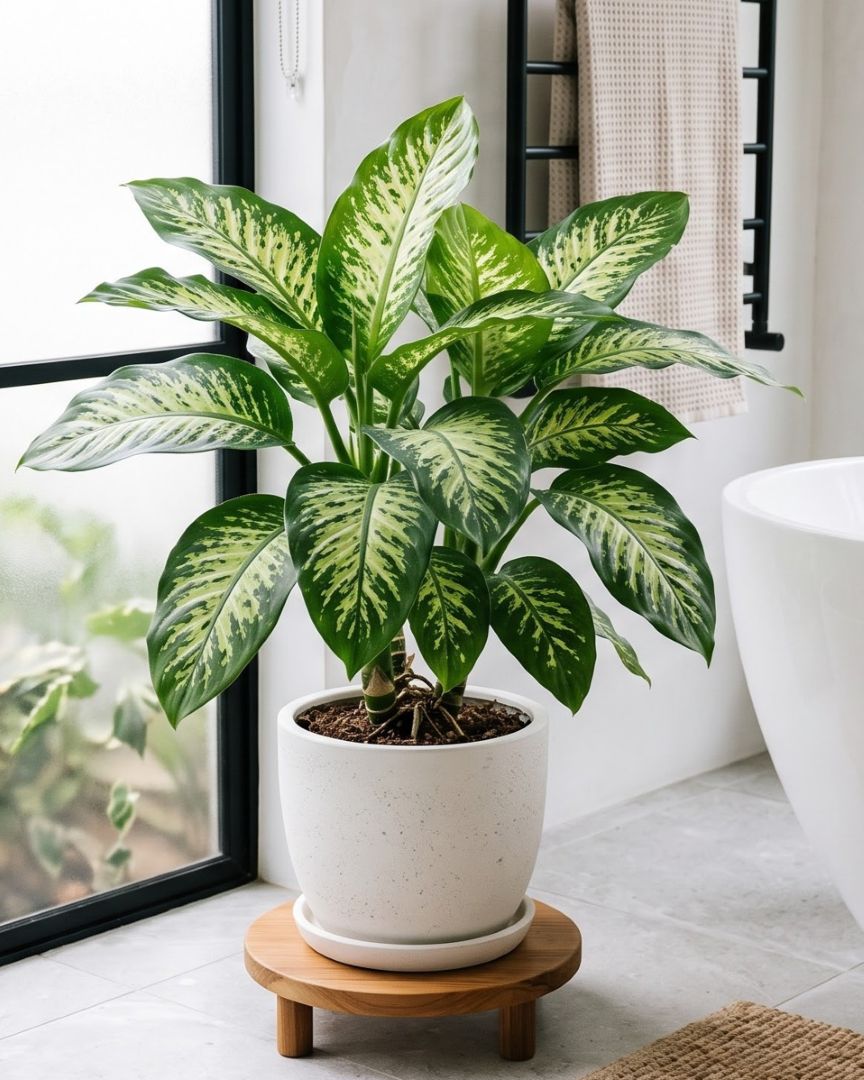
Dieffenbachia seguine, commonly known as Dumb Cane, is a striking tropical plant celebrated for its broad, beautifully patterned leaves. A staple in the houseplant community, it instantly adds a lush, jungle-like ambiance to indoor spaces. While it demands a bit of respect due to its toxicity, its robust growth and air-purifying qualities make it a highly rewarding companion for plant lovers.
Dieffenbachia seguine (Dumbcane) Overview
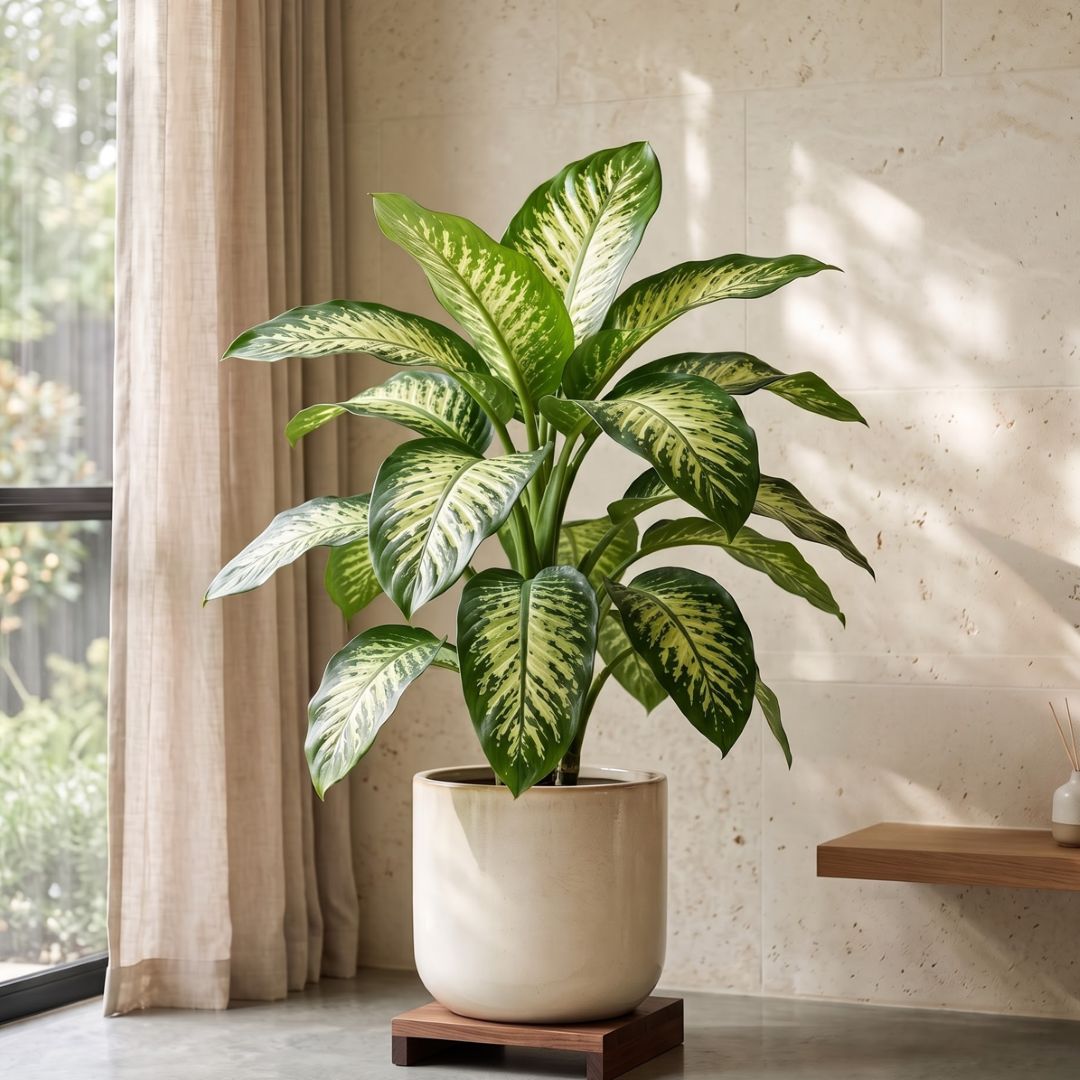
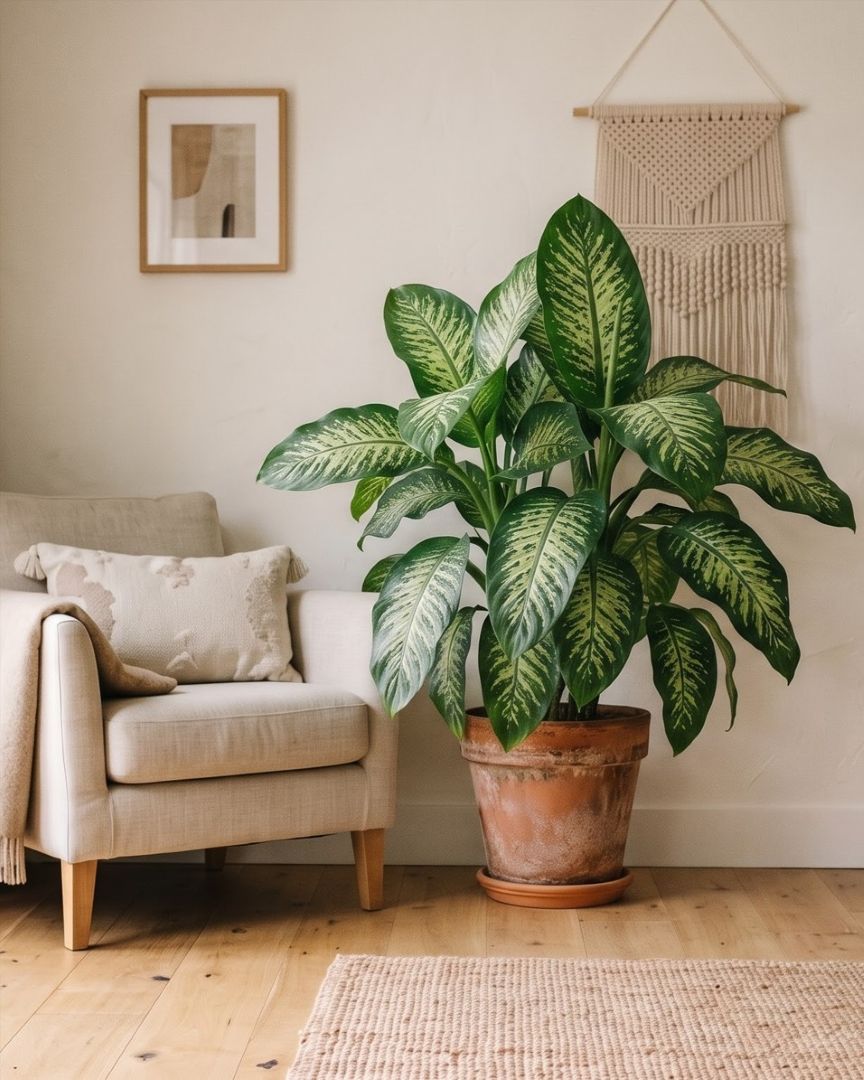
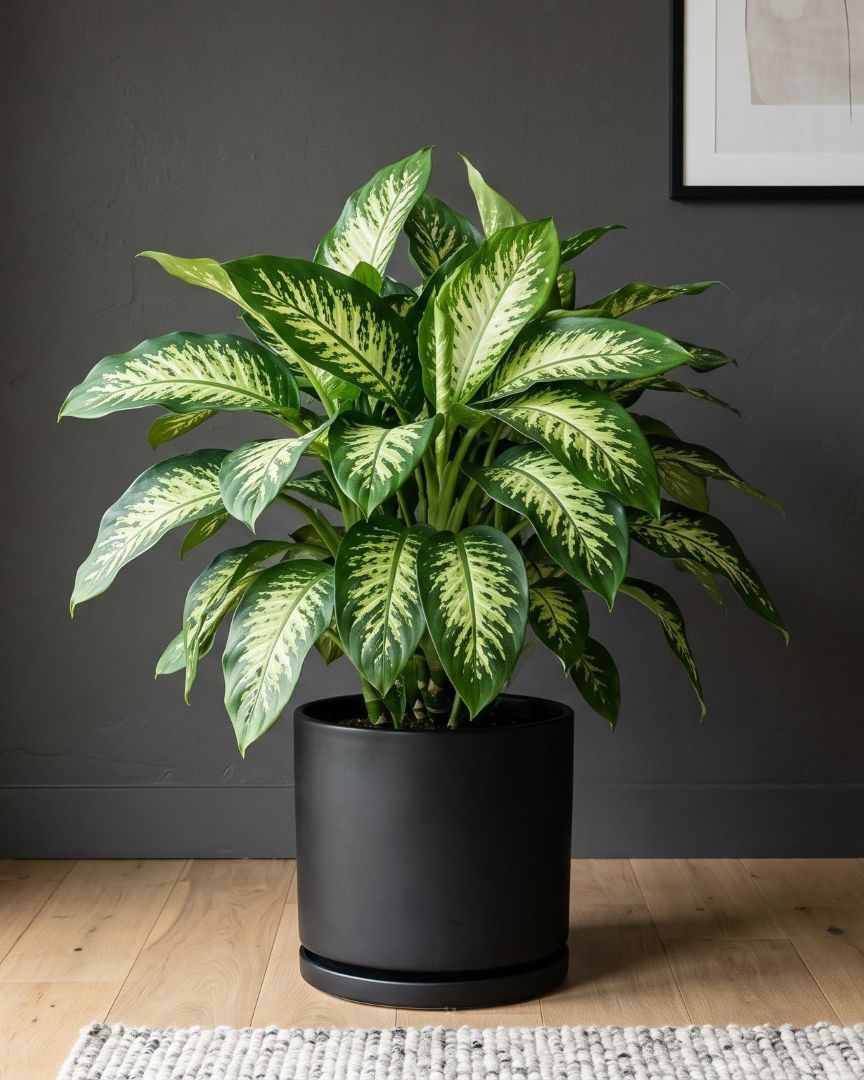
Dieffenbachia seguine is a herbaceous perennial that boasts massive, ovate leaves. These spectacular leaves emerge from a thick, central cane-like stem and are heavily variegated with splashes of cream, white, or pale yellow, framed by dark green margins.
As the plant matures, the lower leaves naturally drop to reveal a striking, textured trunk. Indoors, they typically reach a comfortable 3 to 5 feet, creating a bold architectural statement piece that commands attention in any brightly lit room.
Key Features of Dieffenbachia seguine
Feature
Details
Botanical Name
Dieffenbachia seguin
Common Names
Dumb Cane, Leopard Lily, Tuftroot
Plant Type
Tropical herbaceous perennial
Mature Size
3 to 10 feet tall outdoors; 3 to 5 feet indoors
Growth Habit
Upright, bushy
Growth Rate
Fast (under optimal conditions)
Leaf Appearance
Large, broad, ovate leaves with cream/yellow and green variegation
Toxicity
Highly toxic to humans, cats, and dogs
Care Guide
Despite its exotic appearance, Dieffenbachia seguine is surprisingly adaptable. By mimicking its native tropical environment—providing warmth, filtered light, and consistent moisture without waterlogging the roots—you can easily keep this plant thriving year-round.
Light Requirement & Placement
Dumb Canes flourish in bright, indirect sunlight. Place your plant near an east- or north-facing window where it can receive gentle morning light. Too much direct sun will scorch the delicate, variegated leaves, while too much shade will cause the vibrant patterns to fade and stunt the plant’s growth. If you only have south-facing windows, ensure the plant is shielded by a sheer curtain.
Water & Humidity
Water thoroughly when the top 1 to 2 inches of soil feel dry to the touch, ensuring excess water drains completely from the pot. Native to rainforests, this plant craves high humidity (ideally between 50-60%). If your home is dry, try placing the pot on a pebble tray filled with water, or grouping it with other tropical plants.
Temperature
Keep your Dieffenbachia in a warm environment, ideally between 65°F and 75°F (18°C – 24°C). They are highly sensitive to cold drafts and sudden temperature fluctuations. Keep them away from air conditioning vents, drafty windows in winter, and heating radiators to prevent leaf stress and drop.
Soil & Nutrition
Plant in a loose, well-draining potting mix. A standard indoor houseplant soil amended with a bit of perlite and orchid bark is good for ensuring adequate aeration to the roots.
Styling With Dieffenbachia Seguine
Troubleshooting Common Issues with Your Dieffenbachia seguine
Yellowing Leaves: The most common culprit is overwatering or poor drainage, which leads to root rot. Ensure you are letting the top inch or two of soil dry out before watering again.
Brown, Crispy Leaf Edges: This usually points to a lack of humidity or under-watering. It can also be a sign of salt buildup from hard tap water; try switching to distilled or filtered water.
Fading Variegation: If the vibrant cream and yellow patterns are turning solid green, the plant isn’t getting enough light. Move it to a brighter spot with indirect sunlight.
Drooping Foliage: Often a sign of temperature stress (being too cold) or extreme thirst. Check the soil moisture and ensure the plant is positioned away from drafty doors or AC vents.
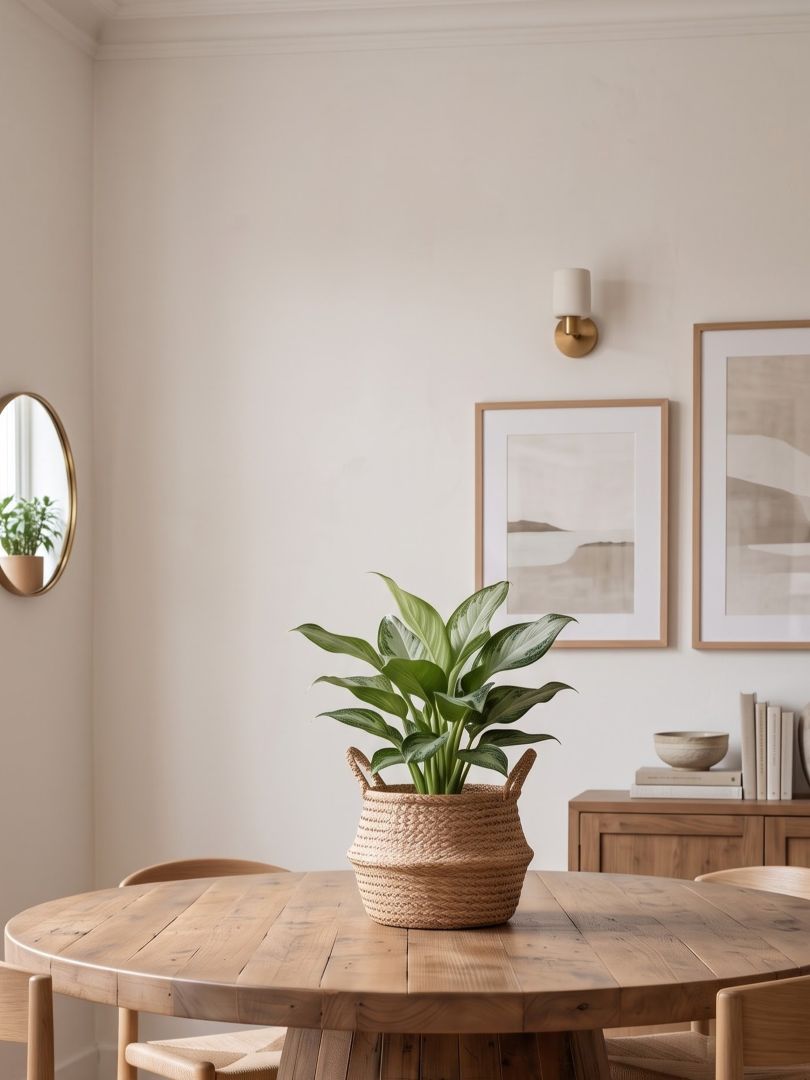
Aglaonema commutatum (Chinese Evergreen) Plant Features and Care Guide
Aglaonema commutatum, commonly known as the Chinese Evergreen, is a remarkably adaptable and visually striking houseplant cherished by both beginners and seasoned indoor gardeners. With its stunning variegated foliage and tolerance for low light, it is the perfect companion for brightening up dim corners and office desks.
Aglaonema Commutatum Overview
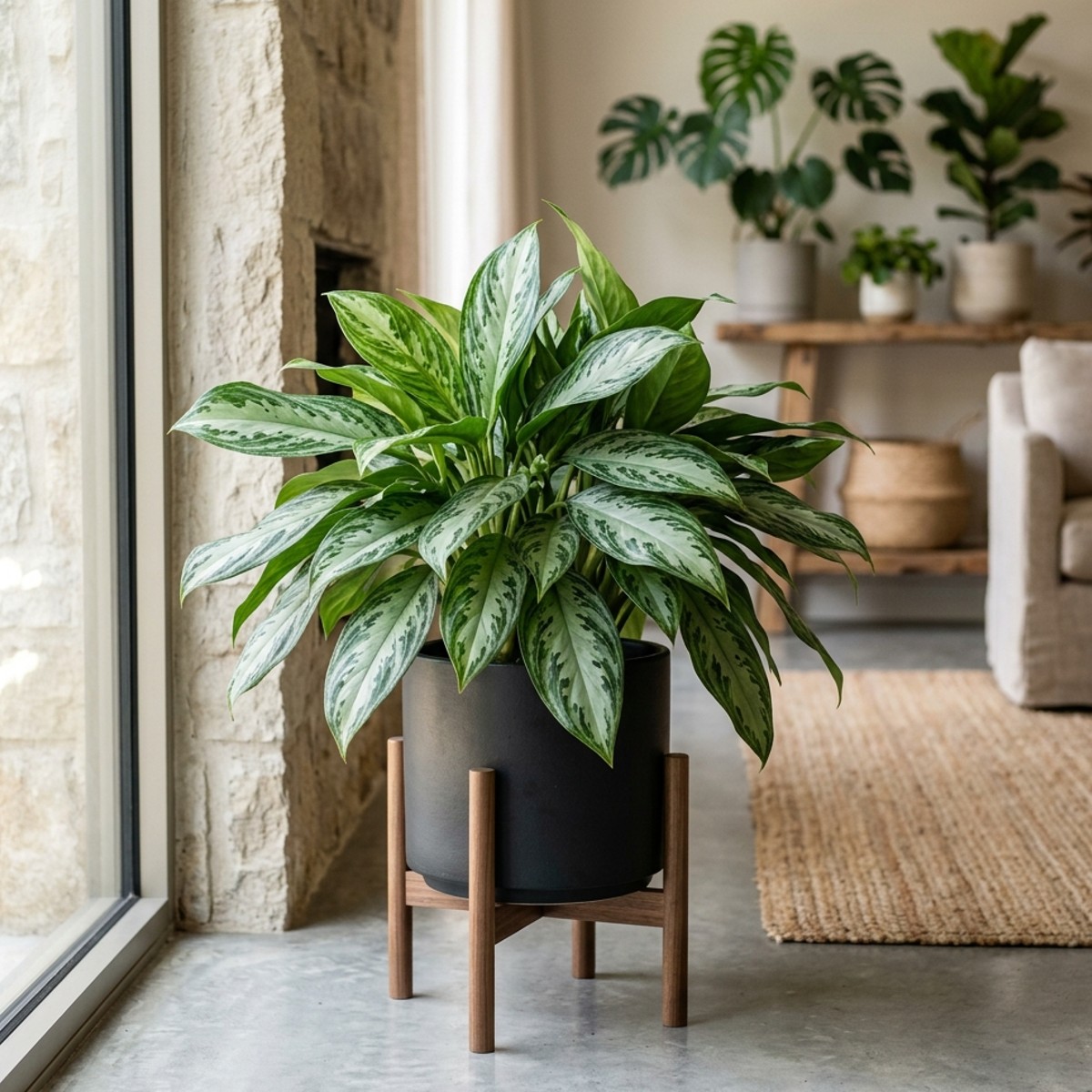
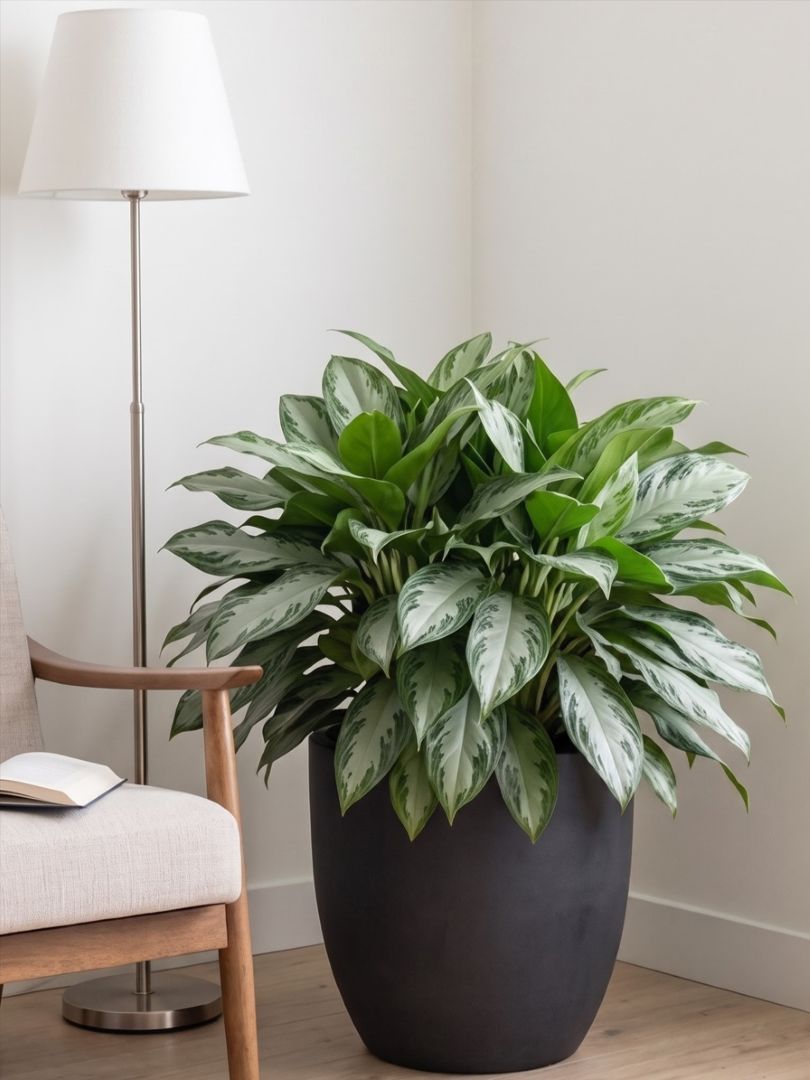
The Chinese Evergreen is an herbaceous perennial celebrated for its ornamental foliage rather than its blooms. It features large, lance-shaped leaves that grow from short, central stems, creating a dense, bushy appearance. The leaves are a canvas of striking patterns, typically displaying a rich, deep green base adorned with splotches, stripes, or speckles of silver, grey, or pale green.
As the plant matures, the sturdy stems can sometimes resemble slender canes. While it can produce small, calla lily-like spathes and berries under optimal conditions, its primary draw remains the robust, vibrant leaves that stay vibrant year-round.
Key Features of Aglaonema commutatum
Feature
Details
Botanical Name
Aglaonema commutatum
Common Name
Chinese Evergreen
Plant Type
Evergreen Perennial
Mature Size
1 to 3 feet tall and wide (indoors)
Growth Habit
Upright, bushy
Growth Rate
Slow to Moderate
Leaf Appearance
Lance-shaped, dark green with silver/white/gray variegation and other colours
Toxicity
Toxic to humans, dogs, and cats
Care Guide
Aglaonema commutatum is famously forgiving, making it a staple recommendation for those looking for a low-maintenance indoor plant. While it can survive neglect, providing it with the right balance of light, water, and nutrients will encourage lush growth and keep its variegation bright. Below is everything you need to know to keep your Chinese Evergreen thriving.
Light Requirement & Placement
This plant is incredibly versatile when it comes to lighting. While it thrives best in bright, indirect light, it is well-known for its ability to tolerate low-light conditions, such as north-facing windows or rooms with fluorescent office lighting. However, the rule of thumb is that varieties with lighter, more silvery variegation require slightly more light to maintain their colors, whereas darker green varieties can handle deeper shade. Avoid placing it in direct, harsh sunlight, as this will quickly scorch its tender leaves.
Water & Humidity
The Chinese Evergreen prefers its soil to be kept lightly moist, but never waterlogged. Water thoroughly when the top two inches of the soil feel dry to the touch. During the winter months, when the plant’s growth naturally slows down, reduce watering frequency and allow the soil to dry out a bit more between drinks to prevent root rot. As a tropical plant, it appreciates moderate to high humidity. If your home has dry air, consider grouping it with other plants, or placing the pot on a pebble tray filled with water.
Temperature
To keep your Aglaonema happy, maintain indoor temperatures between 65°F and 80°F (18°C – 27°C). It is sensitive to cold drafts and sudden temperature fluctuations. Ensure it is kept away from air conditioning vents in the summer and uninsulated drafty windows in the winter.
Soil & Nutrition
Plant your Chinese Evergreen in a loose potting mix that drains well. A standard high-quality indoor plant soil mixed with a handful of perlite or orchid bark works well to ensure the roots receive adequate oxygen.
Styling With Aglaonema Commutatum
Troubleshooting Common Issues with Your Chinese Evergreen
Even the easiest plants can occasionally run into trouble. Here is how to fix common issues with your Chinese Evergreen:
Yellowing Leaves: This is most commonly a sign of overwatering. Ensure the pot has drainage holes and allow the top few inches of soil to dry out before watering again. If only the oldest, bottommost leaves are yellowing and falling off, this is a normal part of the plant’s aging process. Brown, Crispy Leaf Tips: This usually indicates a lack of humidity or an accumulation of salts from tap water or fertilizer. Try switching to filtered water and increasing the ambient humidity around the plant. Drooping Stems: If the soil is completely dry, the plant is simply thirsty and needs a good soak. If the soil is wet, drooping is a severe sign of root rot, and you may need to repot the plant in fresh, dry soil and trim away mushy roots. Loss of Leaf Variegation: If your stunning silver leaves are turning completely solid green, the plant is not getting enough light. Move it to a brighter location with indirect sunlight to encourage the return of its distinct patterns.
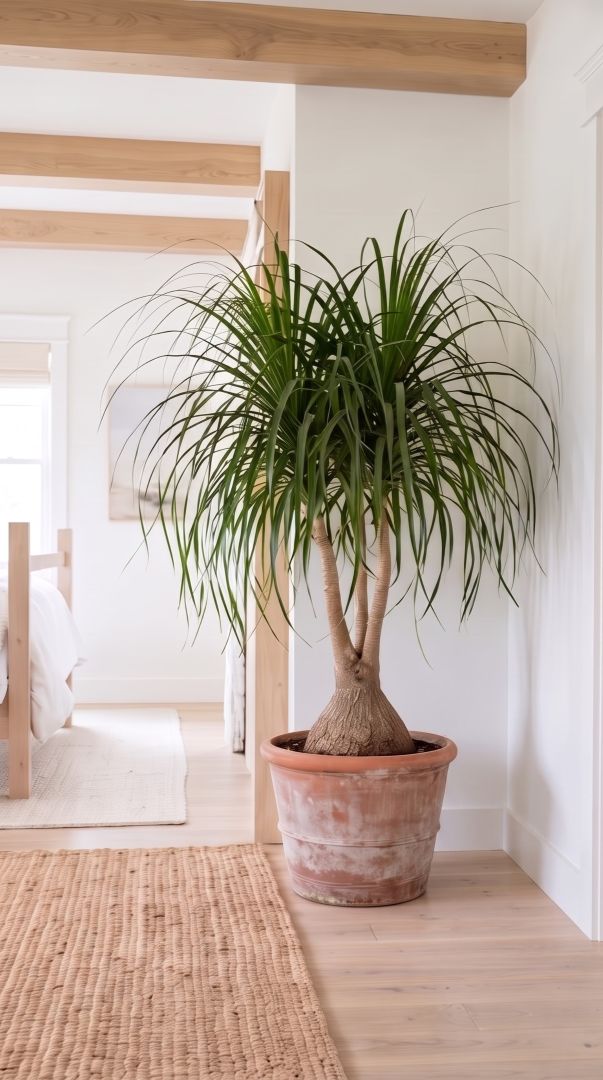
Beaucarnea recurvata (Ponytail Palm) Plant Features and Care Guide
Beaucarnea recurvata, commonly known as the Ponytail Palm, is a highly striking, evergreen, and drought-tolerant succulent, making it very popular as a houseplant.
Ponytail Palm Overview
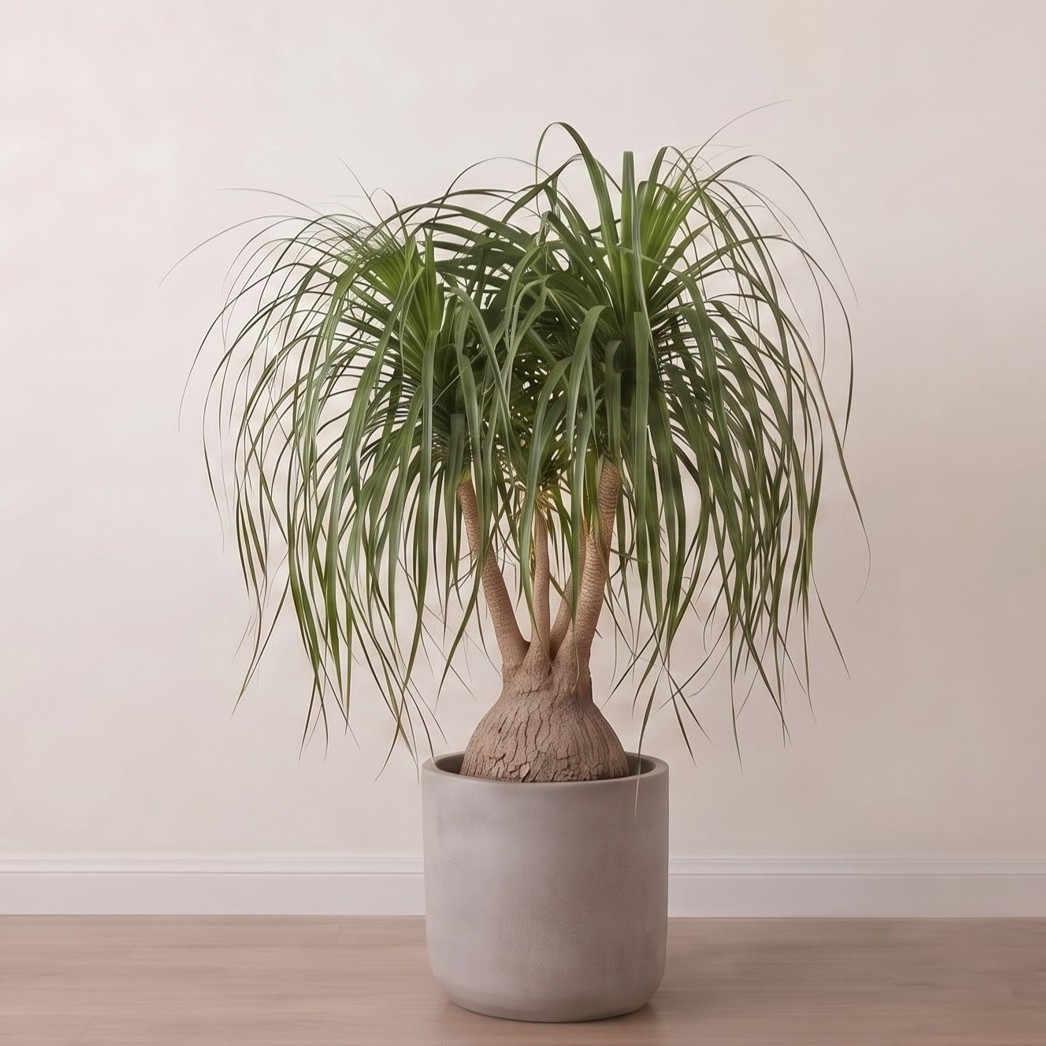
Despite its common name, Beaucarnea recurvata—widely known as the Ponytail Palm—is not a true palm at all. Native to the semi-desert regions of eastern Mexico, it is actually a succulent belonging to the Asparagaceae family. The plant is celebrated for its distinctive, bulbous trunk (called a caudex) which acts as a reservoir for storing water, allowing it to survive prolonged droughts in its natural habitat.
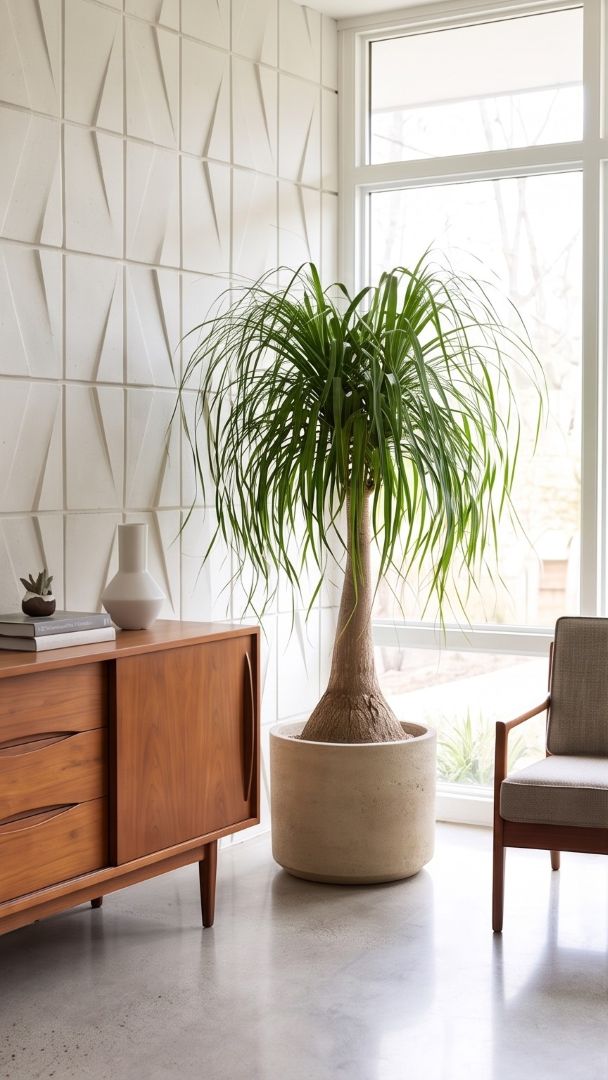
Emerging from the top of this textured, woody trunk is a dense rosette of long, leathery, cascading leaves that curl downward, resembling a ponytail. As a houseplant, it is highly prized for its sculptural, architectural form and its incredibly forgiving nature, making it a centerpiece that requires minimal intervention.
Key Features of Ponytail Palm
Feature
Details
Botanical Name
Beaucarnea recurvata
Common Names
Ponytail Palm, Elephant’s Foot
Plant Type
Broadleaf evergreen succulent
Mature Size
2–6 feet tall indoors (up to 30 feet outdoors)
Growth Habit
Upright trunk with a cascading rosette apex
Growth Rate
Slow
Leaf Appearance
Long, thin, curling, leathery, dark green
Toxicity
Non-toxic to pets
Care Guide
The Ponytail Palm thrives on benign neglect. Because its enlarged trunk acts as a massive water reserve, it is exceptionally drought-tolerant and resilient. The fastest way to harm this plant is through over-attention, particularly overwatering.
Light Requirement & Placement
Beaucarnea recurvata loves bright, indirect light and can easily tolerate full sun. Place it near a south-facing or west-facing window for optimal growth. While it can adapt to medium light conditions, its already slow growth rate will stall, and the foliage may become sparse and pale.
Water & Humidity
Allow the soil to dry out completely between waterings. In the spring and summer, water thoroughly once every two to three weeks, ensuring excess water drains away completely. In the winter, reduce watering to once every four to six weeks. It tolerates standard household humidity (30–40%) perfectly well and does not require misting.
Temperature
This plant prefers warm temperatures ranging from 60°F to 85°F (15°C to 29°C). Keep it away from cold drafts, air conditioning vents, and uninsulated windows in the winter. It cannot tolerate freezing temperatures.
Soil & Nutrition
Use a fast-draining potting medium. A commercial cactus or succulent mix blended with perlite or coarse sand is ideal. Because it grows slowly, it requires very little feeding. Apply a liquid succulent fertilizer at half-strength just once or twice during the active growing season (spring and summer).
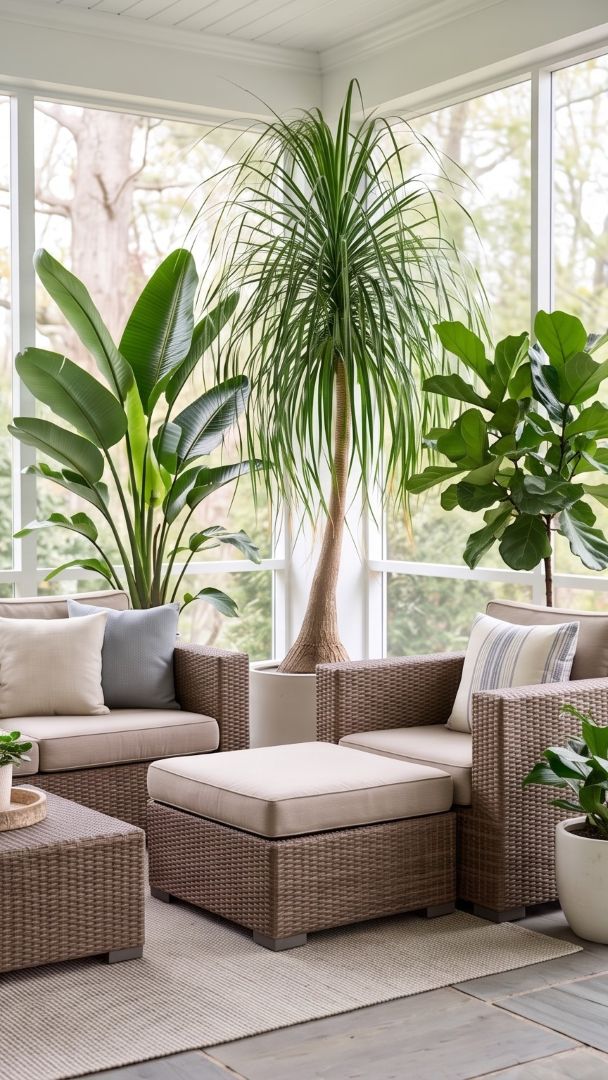
Styling With Ponytail Palm
Troubleshooting Common Issues with Your Ponytail Palm
Squishy or Mushy Trunk: This is the most serious issue and a classic sign of root rot caused by overwatering or poor drainage. Stop watering immediately, check the roots, and repot into dry, sandy soil if the rot hasn’t consumed the entire base. Brown, Crispy Leaf Tips: Usually a sign of underwatering or prolonged exposure to very dry air. However, occasional brown tips on the oldest (lowest) leaves are a normal part of the plant’s natural shedding process. Snip the brown tips off with sterilized scissors to maintain aesthetics. Yellowing Foliage: If new growth is turning yellow, the plant is likely receiving too much water or not enough light.